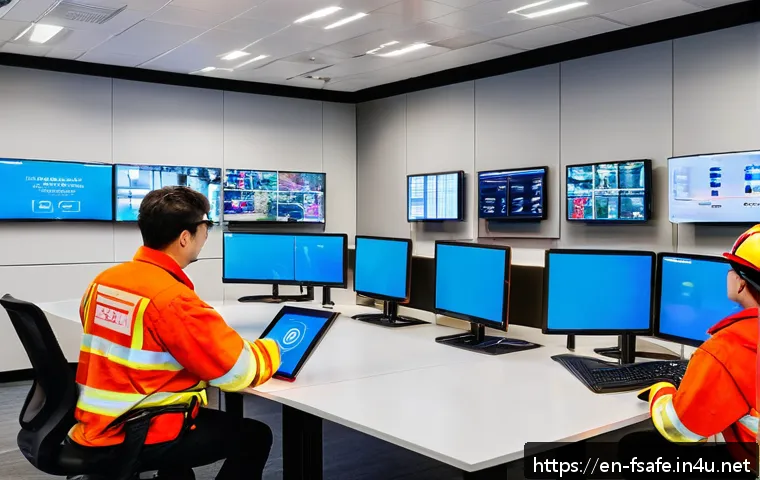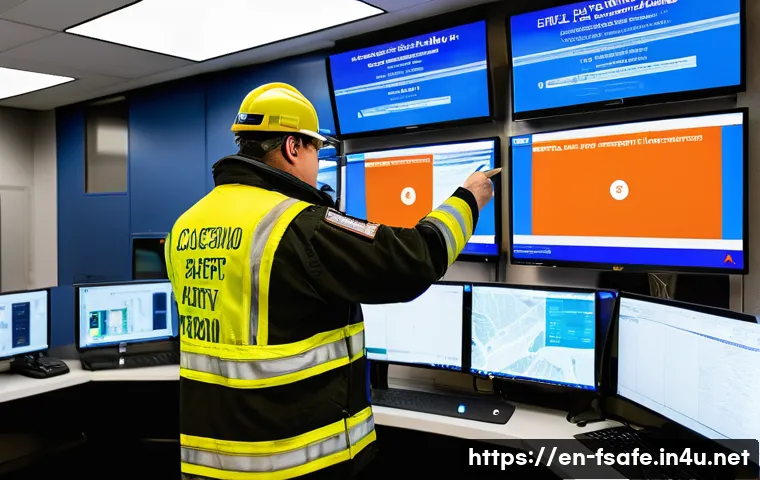
In the fast-paced world of fire safety management, leveraging the right software tools can make all the difference in efficiency and effectiveness. From real-time incident tracking to comprehensive risk assessments, modern applications streamline critical tasks and improve decision-making.

Many fire safety professionals find that integrating technology not only enhances compliance but also boosts communication across teams. Whether you’re coordinating emergency responses or managing maintenance schedules, the right digital solutions can simplify your workload significantly.
Ready to explore which software can elevate your fire safety operations? Let’s dive into the details together!
Enhancing Fire Safety Through Intelligent Incident Management
Streamlining Real-Time Incident Reporting
Managing fire incidents as they happen demands speed and clarity. I’ve found that software tools offering mobile-friendly interfaces and instant notifications truly change the game.
These platforms allow fire safety managers to log incidents immediately from the scene, capturing vital details like location, severity, and resources deployed.
This immediacy not only speeds up response times but also ensures all team members have access to accurate, up-to-date information, reducing miscommunication during high-pressure moments.
From my experience, when teams rely on manual reporting or delayed updates, the risk of errors and confusion spikes dramatically.
Automated Alert Systems and Response Coordination
What really impressed me was the ability of some software to automatically trigger alerts to the right personnel based on the incident type and severity.
This means the right experts are notified without the need for time-consuming phone calls or emails. Integrating these alerts with GPS and scheduling tools helps coordinate resources efficiently, ensuring that fire crews, safety officers, and even external emergency services work in sync.
In practice, this kind of automation has proven invaluable during large-scale events or when managing multiple incidents simultaneously.
Comprehensive Post-Incident Analysis
Capturing data during an incident is just one part of the story. The real value comes from analyzing this data afterward to identify patterns, weaknesses, or areas for improvement.
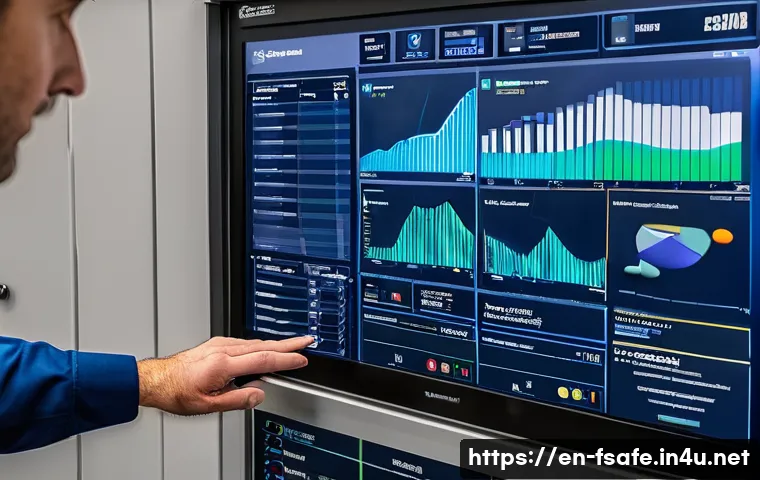
Some fire safety platforms offer robust analytics dashboards that break down response times, equipment usage, and personnel performance. I’ve personally used such features to prepare detailed reports for senior management and regulatory bodies, which not only helped maintain compliance but also drove strategic improvements in training and resource allocation.
Optimizing Risk Assessments with Advanced Software Tools
Dynamic Hazard Identification and Mapping
Risk assessment is at the core of fire safety management, and dynamic software tools have revolutionized how hazards are identified and mapped. Instead of relying solely on static checklists, these applications allow managers to input real-time environmental data, integrate building layouts, and update risk factors as conditions change.
I remember a case where updating risk zones digitally helped my team anticipate potential fire spread during a construction project, enabling proactive mitigation steps that manual assessments might have missed.
Customizable Risk Scoring Systems
Another useful feature I’ve come across is customizable risk scoring algorithms. They let you assign weights to various factors—like material flammability, occupancy levels, and emergency exits—and calculate an overall risk rating.
This tailored approach helps prioritize high-risk areas and allocate resources more effectively. It’s like having a risk calculator that adapts to your unique operational context, which I found particularly helpful when managing multiple sites with different risk profiles.
Integration with Maintenance Scheduling
Risk assessments don’t exist in isolation—they’re closely tied to maintenance activities. Some software platforms integrate risk data with maintenance schedules, automatically flagging when inspections or equipment servicing are due based on risk levels.
This integration reduces the chances of overlooking critical maintenance, which can be a common pitfall in busy fire safety departments. From my perspective, the peace of mind that comes from knowing your equipment is being monitored and maintained on schedule is priceless.
Boosting Team Communication and Collaboration
Centralized Communication Hubs
In fire safety management, clear communication can be a lifesaver. I’ve noticed that software with centralized communication hubs—where teams can share updates, documents, and alerts in one place—significantly cuts down on email overload and message fragmentation.
These hubs often support multimedia messages, so photos or videos of hazards or incidents can be shared instantly. When everyone’s on the same page, decision-making becomes faster and more accurate, which is crucial during emergencies.
Role-Based Access and Task Assignments
Assigning tasks and defining responsibilities within fire safety teams is easier with role-based access controls in software. I’ve used platforms where supervisors can delegate specific duties to team members and track progress in real time.
This level of transparency boosts accountability and helps prevent tasks from slipping through the cracks. Plus, it encourages proactive engagement as team members receive reminders and updates tailored to their responsibilities.
Collaborative Training and Knowledge Sharing
Beyond daily operations, some software solutions offer built-in training modules and knowledge bases that teams can access anytime. I found these particularly useful for onboarding new staff or refreshing skills on fire safety protocols.
When training materials are embedded in the same platform used for operations, it fosters continuous learning and helps maintain high standards across the board.
Streamlining Compliance and Documentation Management
Automated Compliance Tracking
Keeping up with fire safety regulations can feel like a full-time job on its own. Software that automates compliance tracking by reminding you of certification renewals, inspection deadlines, and regulatory changes has been a lifesaver.
From personal experience, missing a deadline can lead to costly fines or jeopardize insurance coverage, so having a system that proactively manages these tasks removes a huge burden.
Centralized Document Storage
I appreciate software platforms that offer secure, centralized document repositories for all safety manuals, inspection reports, and certification records.
This eliminates the hassle of digging through filing cabinets or multiple cloud services to find critical documents during audits or emergencies. Plus, having version control ensures that the team always refers to the most up-to-date information, which is essential for maintaining compliance.
Customizable Reporting Features
Generating reports tailored to specific regulatory bodies or internal stakeholders is another feature I’ve found indispensable. Some software allows you to customize report templates, include data visualizations, and export files in multiple formats.
This flexibility helps communicate fire safety status clearly and professionally, whether for board meetings or government inspections.
Leveraging Predictive Maintenance for Fire Safety Equipment
Condition Monitoring and Alerts
Predictive maintenance has transformed how fire safety equipment is managed. I’ve used tools that continuously monitor equipment conditions—like sprinkler pressure, alarm battery levels, and extinguisher status—and send alerts before failures occur.
This proactive approach prevents downtime and ensures that equipment is always ready when needed.
Historical Data Analysis to Forecast Failures
These platforms often analyze historical maintenance and failure data to predict when equipment might require servicing. In my experience, this forecasting capability helps avoid costly emergency repairs and extends the lifespan of critical assets, translating directly into budget savings and improved safety.
Scheduling and Resource Allocation
Integrating predictive maintenance with scheduling tools means maintenance teams can be assigned efficiently without disrupting operations. I recall how this approach streamlined our maintenance cycles, making them more predictable and less reactive, which ultimately improved overall fire safety readiness.
Utilizing Mobile Solutions for On-the-Go Fire Safety Management
Field Data Entry and Updates
Mobile apps designed for fire safety management allow teams to input data and update incident reports from anywhere. I found this especially handy during site inspections or emergency responses where access to desktop systems is limited.
Real-time updates from the field help maintain accurate records and speed up decision-making.
Offline Functionality for Remote Locations
Some mobile solutions provide offline modes, letting users continue logging information even without internet connectivity. Once back online, data syncs automatically.
This feature proved critical during fire drills and inspections at remote facilities where network coverage was spotty.
GPS and Geotagging Capabilities
GPS integration within mobile fire safety apps enables geotagging of incidents and hazards, which improves spatial awareness and resource deployment. I’ve seen how pinpointing exact locations on digital maps helps teams respond faster and coordinate more effectively, especially in complex environments like industrial plants or campuses.
Comparing Key Features of Popular Fire Safety Software
| Feature | Incident Management | Risk Assessment | Communication | Compliance | Maintenance | Mobile Access |
|---|---|---|---|---|---|---|
| Real-Time Reporting | Yes | Limited | Yes | Yes | Yes | Yes |
| Automated Alerts | Yes | Yes | Yes | Yes | Yes | Yes |
| Risk Scoring Customization | No | Yes | No | No | No | No |
| Centralized Document Storage | Yes | Yes | Yes | Yes | Yes | Yes |
| Predictive Maintenance | No | No | No | No | Yes | Yes |
| Offline Mobile Access | Limited | Limited | Limited | Limited | Limited | Yes |
Conclusion
Enhancing fire safety through intelligent incident management systems is no longer optional but essential in today’s fast-paced environments. From real-time reporting to predictive maintenance, these tools streamline operations, improve response times, and increase overall safety. My experience shows that adopting such technology fosters better teamwork and compliance while reducing risks. Embracing these innovations can truly transform fire safety management for the better.
Useful Information to Keep in Mind
1. Real-time incident reporting drastically improves response speed and accuracy, minimizing costly mistakes during emergencies.
2. Automated alerts and GPS integration ensure that the right personnel and resources are deployed efficiently without delays.
3. Customizable risk scoring helps prioritize hazards based on specific factors, making resource allocation more effective.
4. Centralized communication hubs and role-based task management boost accountability and streamline team collaboration.
5. Predictive maintenance tools help avoid unexpected equipment failures by monitoring conditions and forecasting service needs.
Key Takeaways
Intelligent fire safety software offers comprehensive benefits by integrating incident management, risk assessment, communication, compliance tracking, and maintenance scheduling into one cohesive platform. Prioritizing real-time data entry and automated alerts enhances operational efficiency and safety. Moreover, mobile accessibility with offline capabilities ensures continuous management even in remote areas. Adopting these technologies not only supports regulatory compliance but also empowers teams with better tools for proactive risk mitigation and quicker emergency responses.
Frequently Asked Questions (FAQ) 📖
Q: How can fire safety management software improve emergency response times?
A: From my experience, fire safety management software significantly speeds up emergency responses by providing real-time incident tracking and instant notifications to all relevant personnel.
Instead of relying on manual communication or paperwork, teams get immediate updates on the situation, location, and required actions. This streamlined flow of information ensures quicker mobilization and better coordination, which can be crucial when every second counts.
Q: What features should I look for when choosing fire safety software?
A: When I was selecting software, I prioritized features like real-time monitoring, automated risk assessments, maintenance scheduling, and easy reporting capabilities.
Integration with mobile devices is also a game-changer, allowing teams to update statuses on the go. A user-friendly interface and strong support services are essential too, because complicated tools often slow down operations rather than help.
Ultimately, the best software should fit your specific workflows and compliance needs without adding unnecessary complexity.
Q: Is it difficult to train staff on new fire safety management systems?
A: Honestly, the training curve depends on the software’s design and your team’s tech familiarity. In my experience, modern fire safety platforms are built with intuitive interfaces that reduce the learning time drastically.
Plus, many vendors offer hands-on tutorials and customer support to help onboard teams smoothly. If you approach the transition with clear communication and allow time for practice, most staff adapt quickly and even appreciate how much easier their daily tasks become.