With recent wildfires making headlines worldwide, the importance of effective fire safety management has never been clearer. Whether you’re managing a small business or overseeing a large facility, understanding the basics of fire prevention and response can save lives and protect property.
If you’re new to this field, don’t worry—mastering fire safety is achievable with the right guidance and strategies. In this post, I’ll share practical tips and insights that I’ve gathered through real-world experience to help you build a solid foundation.
Stick around, because these essential steps could make all the difference when it matters most.
Understanding Fire Risks in Different Environments
Recognizing Common Fire Hazards at Workplaces
Many people underestimate how easily everyday items can become fire hazards. In offices, overloaded electrical outlets or malfunctioning equipment often spark fires.
In industrial settings, flammable chemicals and improper storage can lead to disastrous consequences. When I first started managing fire safety, I didn’t realize how crucial it was to identify even the smallest risks—like a blocked fire exit or a worn-out extension cord.
Regularly inspecting these potential dangers makes a huge difference, and it’s something anyone can learn to do with a bit of attention.
How Building Layout Influences Fire Safety
The design of a building plays a pivotal role in preventing and controlling fires. For example, buildings with multiple escape routes and clear signage make evacuation smoother during emergencies.
I’ve seen firsthand how narrow corridors or locked doors can slow down rescue efforts, which is why it’s essential to evaluate your facility’s layout.
Also, fire-resistant materials and compartmentalization can limit a fire’s spread, buying valuable time. If you’re responsible for a space, consider consulting with experts to assess whether your current setup supports effective fire safety measures.
Environmental Factors That Heighten Fire Risks
Seasonal changes and local climate conditions can dramatically affect fire risks. Dry, windy weather increases the chance of wildfires, especially near wooded or grassy areas.
From my experience working near such zones, it’s vital to create defensible spaces by clearing flammable vegetation and implementing strict no-smoking policies.
Additionally, urban areas face different challenges like high-density housing and older infrastructure. Tailoring your fire prevention strategies to these environmental factors is key to minimizing risks effectively.
Key Fire Prevention Strategies for Beginners
Implementing Regular Maintenance and Inspections
One of the most effective fire prevention methods is routine maintenance of electrical systems, fire alarms, and extinguishers. When I managed a small retail store, setting a monthly inspection schedule helped catch issues before they escalated.
For example, replacing frayed wires or checking smoke detector batteries promptly can prevent malfunctions that might otherwise lead to disasters. Creating checklists and assigning responsible personnel ensures nothing slips through the cracks.
Educating Your Team on Fire Safety Protocols
Training isn’t just a box to tick—it’s the foundation of a safe environment. When I conducted fire drills, I noticed how much more confident people felt knowing exactly what to do.
Clear communication about evacuation routes, alarm sounds, and proper extinguisher use empowers everyone. Also, sharing stories or real incidents can make the importance of fire safety hit home more than dry lectures.
Remember, a well-informed team can act quickly and decisively, potentially saving lives.
Establishing a Fire Safety Culture
Creating a culture where fire safety is a shared responsibility requires consistent effort. I found that encouraging open dialogue about safety concerns and recognizing proactive behavior motivates people.
Simple acts like reporting hazards or keeping exits clear should be praised. Regular updates and reminders through emails or posters keep fire safety top of mind.
Over time, this approach fosters vigilance and collective ownership, which is much more effective than relying on rules alone.
Choosing and Using Fire Safety Equipment Correctly
Types of Fire Extinguishers and Their Uses
Not all fire extinguishers are created equal, and using the wrong type can be dangerous. For instance, water extinguishers shouldn’t be used on electrical fires, while CO2 extinguishers are ideal for such cases.
I once witnessed a near-miss when someone tried to put out an oil fire with water—never a good idea. Learning to identify Class A, B, C, and multipurpose extinguishers is crucial.
Familiarize yourself with these so you can act confidently in an emergency.
Installing and Maintaining Smoke Detectors
Smoke detectors are lifesavers but only if they’re properly installed and maintained. When I helped a friend upgrade their home system, we placed detectors in every bedroom, hallway, and near the kitchen.
Testing them monthly and replacing batteries yearly is a small commitment that pays off massively. Modern smart detectors even send alerts to your phone, which is great for early warnings.
Neglecting this equipment can mean missing the first signs of a fire, so don’t overlook it.
Fire Sprinkler Systems: What You Need to Know
Automatic sprinkler systems are a powerful tool in fire suppression, especially in commercial buildings. I’ve seen how quickly they can control flames before firefighters arrive, reducing damage significantly.
However, they require professional installation and regular servicing to ensure functionality. Understanding the different types—wet pipe, dry pipe, pre-action—helps in selecting the right system for your facility.
If your budget allows, investing in sprinklers is a smart move for comprehensive fire protection.
Developing Effective Fire Emergency Plans
Designing Clear Evacuation Routes
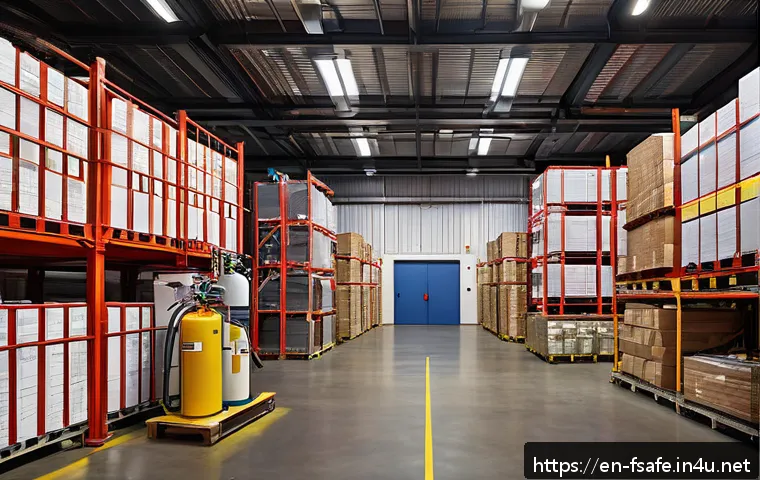
A well-thought-out evacuation plan is essential to avoid panic and confusion. When I worked in a busy warehouse, we mapped multiple exit paths and marked them with illuminated signs.
Conducting drills helped identify bottlenecks and allowed us to make improvements. It’s important to ensure routes are accessible for everyone, including people with disabilities.
Keep routes free of obstructions and regularly update plans to reflect any changes in the building layout.

Assigning Roles During Emergencies
Having designated fire wardens or safety officers makes a huge difference in managing chaos during a fire. In my experience, clear role assignments ensure that someone is responsible for guiding evacuations, checking rooms, and communicating with emergency services.
Training these individuals thoroughly and rotating the roles prevents complacency. It also helps to have a system for accounting for all personnel once outside, which can be lifesaving.
Communicating with Emergency Responders
Efficient communication with firefighters and paramedics speeds up response times and improves outcomes. I learned that providing accurate information about the building layout, hazardous materials, and the fire’s location is critical.
Having emergency contact numbers easily accessible and a point person designated for liaising with responders reduces confusion. Establishing these protocols beforehand means you won’t waste precious minutes during a real emergency.
Legal Requirements and Compliance Essentials
Understanding Fire Safety Codes and Standards
Fire safety regulations can be overwhelming at first, but knowing the basics keeps you compliant and safe. I found that familiarizing myself with local fire codes, OSHA standards, and NFPA guidelines helped me align my practices with legal requirements.
This not only avoids fines but also ensures that safety measures are up to date and effective. Consulting with fire safety inspectors or hiring professionals for audits can provide peace of mind.
Documentation and Record Keeping
Keeping detailed records of inspections, maintenance, training sessions, and incidents is more than bureaucracy—it’s a valuable resource during audits or investigations.
I’ve kept digital logs that made it easy to track compliance and spot patterns needing attention. Organized documentation also helps in refining safety plans over time.
Don’t underestimate the power of good record-keeping to support your fire safety efforts.
Preparing for Fire Safety Audits
Audits can be stressful, but they’re opportunities to improve. When preparing for one, I review all safety equipment, update training logs, and walk through evacuation procedures.
Making sure everything is in working order and everyone knows their role reduces anxiety and shows your commitment to safety. Remember, auditors aren’t just looking for faults—they want to help you build a safer environment.
Leveraging Technology for Smarter Fire Safety
Using Smart Fire Detection Systems
Technology has transformed fire safety with smart detectors that integrate with your phone or building management systems. I recently installed one in my home, and getting instant alerts while away gave me peace of mind I didn’t have before.
These devices often include features like voice alarms and integration with security cameras, making them more versatile. For businesses, investing in smart systems can improve early detection and rapid response.
Fire Safety Apps and Training Tools
There are many apps designed to help train employees or guide actions during a fire. I’ve used some interactive modules that simulate fire scenarios, which made the learning experience more engaging.
These tools help reinforce knowledge and keep safety top of mind. Additionally, apps that provide checklists and reminders for maintenance tasks simplify managing fire safety responsibilities.
Innovations in Fire Suppression Technologies
Beyond traditional sprinklers, new technologies like mist systems and foam suppressants offer targeted fire control with less water damage. I’ve observed installations in high-risk facilities where these innovations minimize downtime and cleanup.
Keeping abreast of such advancements allows you to choose solutions that fit your specific needs and budget, enhancing overall fire protection.
| Fire Safety Component | Purpose | Key Tips |
|---|---|---|
| Fire Extinguishers | Extinguish small fires before they spread | Know types (Class A, B, C), place accessibly, maintain regularly |
| Smoke Detectors | Provide early warning of smoke/fire | Install in key areas, test monthly, replace batteries yearly |
| Evacuation Routes | Safe exit paths during emergencies | Keep clear, mark with signs, practice drills often |
| Fire Sprinkler Systems | Automatic fire suppression | Professional installation, regular servicing, choose system type wisely |
| Training Programs | Educate occupants on fire response | Conduct regular drills, use interactive tools, assign roles |
In Conclusion
Fire safety is a continuous journey that demands awareness, preparation, and teamwork. By understanding risks and implementing effective strategies, anyone can make a significant difference in preventing fires and protecting lives. Remember, small actions taken today can save lives tomorrow. Stay informed, stay vigilant, and always prioritize safety in every environment.
Helpful Information to Keep in Mind
1. Regularly inspect and maintain all fire safety equipment to ensure they function properly when needed.
2. Educate and train your team frequently so everyone knows how to respond calmly and efficiently during a fire.
3. Tailor fire prevention plans to fit your specific environment, considering building layout and local fire risks.
4. Use technology, such as smart detectors and fire safety apps, to enhance early detection and training efforts.
5. Keep accurate records of all safety measures, inspections, and trainings to stay compliant and prepared for audits.
Key Takeaways for Effective Fire Safety
Understanding fire hazards and the environment is the foundation of prevention. Consistent maintenance and education build a strong safety culture. Choosing the right equipment and knowing how to use it correctly can save lives and property. Clear emergency plans and communication streamline evacuation and response efforts. Finally, staying updated with legal requirements and leveraging modern technology ensures your fire safety measures remain effective and reliable over time.
Frequently Asked Questions (FAQ) 📖
Q: uestions about Fire Safety ManagementQ1: What are the most effective fire prevention measures for small businesses?
A: From my experience working with small business owners, the key fire prevention steps start with maintaining clear exits and ensuring all electrical wiring is up to code.
Regularly inspecting fire extinguishers and smoke detectors can’t be stressed enough—they’re your first line of defense. Also, creating a simple but practiced evacuation plan tailored to your space helps everyone stay calm and safe if a fire breaks out.
It’s surprising how often these basics are overlooked, yet they drastically reduce risk.
Q: How should I respond immediately if a fire breaks out in my facility?
A: The first thing is to stay calm—panic only makes things worse. Alert everyone in the area by activating the fire alarm system if available. Next, call emergency services right away.
If the fire is small and you’re trained, use a fire extinguisher to try to put it out, but never take unnecessary risks. Evacuate the building following your pre-planned routes, and assemble at your designated meeting point to ensure everyone is accounted for.
In my own facility, having practiced drills made a huge difference in how smoothly we evacuated under pressure.
Q: How often should fire safety equipment be inspected and maintained?
A: Ideally, fire safety equipment like extinguishers, alarms, and sprinkler systems should be inspected monthly by staff and undergo professional maintenance at least once a year.
In my experience, scheduling regular checks prevents surprises when you least expect them. Plus, it’s often a legal requirement depending on your location.
Keeping a log of these inspections also helps demonstrate compliance and keeps everyone accountable for safety.