In today’s fast-paced world, ensuring fire safety is more critical than ever, especially as regulations tighten and technology evolves. With the rise of digital workflow systems, managing fire safety has transformed from cumbersome manual checks to streamlined, intelligent processes.
This shift not only enhances compliance but also boosts overall efficiency and response times. If you’ve ever wondered how cutting-edge tech is reshaping fire safety management, you’re in the right place.
Let’s dive into how these advanced systems are setting new standards and why they matter now more than ever.
Revolutionizing Fire Safety with Smart Digital Tools
From Paper Trails to Digital Dashboards
Managing fire safety used to mean lugging around hefty binders filled with inspection checklists, maintenance logs, and compliance reports. I remember the days when I had to cross-reference handwritten notes with printed schedules — a process prone to errors and missed deadlines.
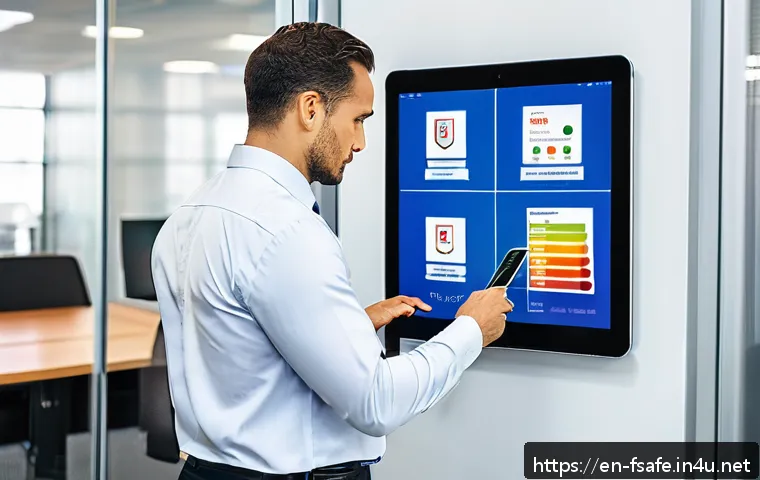
Today, digital dashboards have replaced those paper trails, allowing instant access to all fire safety data from a single screen. These platforms update in real time, making it effortless to track inspections, flag overdue tasks, and monitor equipment status.
The convenience is undeniable; no more scrambling for files or guessing if a fire extinguisher was recently serviced. It’s like having a personal assistant dedicated solely to fire safety.
Automated Alerts and Predictive Maintenance
One of the standout benefits I’ve noticed with smart fire safety systems is how they anticipate problems before they escalate. Instead of waiting for scheduled checks, sensors embedded in alarms and sprinklers continuously monitor performance.
If something’s amiss—like a low battery or sensor malfunction—the system instantly sends alerts via email or mobile notifications. This proactive approach drastically reduces downtime and prevents costly failures.
Plus, some platforms leverage AI to predict when devices might need servicing based on usage patterns, so maintenance teams can plan ahead rather than reacting to emergencies.
It’s a game-changer that boosts both safety and operational efficiency.
Streamlining Compliance and Documentation
Compliance with fire safety regulations can be a headache, especially when audits come unexpectedly. Digital systems simplify this by automatically generating detailed reports that are audit-ready at any time.
I’ve found that having all data neatly organized and timestamped online eliminates guesswork and demonstrates accountability to inspectors. Moreover, many tools offer customizable templates tailored to local codes, which saves hours of manual formatting.
The ability to quickly export documentation for multiple sites or departments also means management gets a clear overview without digging through piles of paperwork.
This transparency builds trust and reduces legal risks.
Enhancing Emergency Response Through Technology
Real-Time Incident Tracking and Communication
During an emergency, every second counts, and coordinating response efforts can be chaotic. Modern fire safety platforms integrate with building management and communication systems to provide real-time incident tracking.
When an alarm triggers, the system instantly pinpoints the exact location on interactive maps, shares live updates with responders, and guides evacuation routes.
From my experience observing drills with such technology, it significantly cuts down confusion and speeds up evacuation times. It’s reassuring to know that responders have accurate information at their fingertips, which can ultimately save lives.
Integration with IoT Devices for Comprehensive Safety
Internet of Things (IoT) devices have become indispensable in creating smarter fire safety networks. Smoke detectors, heat sensors, and emergency lighting now communicate seamlessly through centralized systems.
I’ve seen installations where the fire system automatically adjusts ventilation to control smoke spread or activates backup power to keep emergency lights on during outages.
This interconnectedness ensures that all safety components work in harmony rather than in isolation. The synergy between devices enhances situational awareness and provides building managers with a holistic safety overview that was impossible with standalone equipment.
Training and Simulation Powered by Digital Platforms
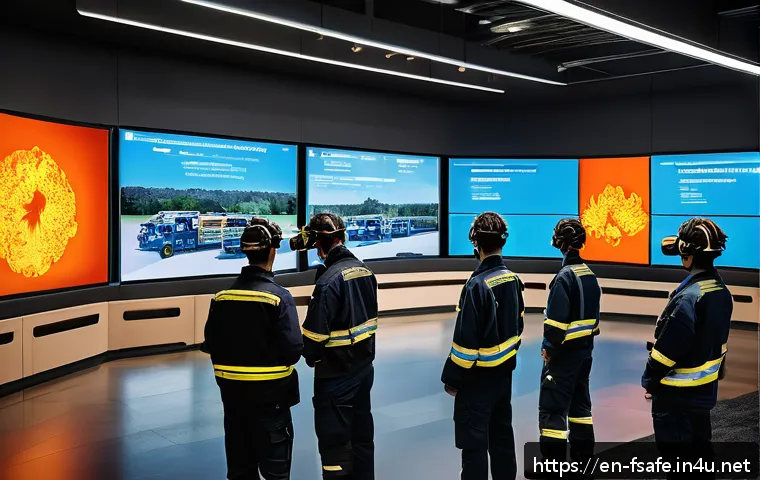
Training staff for fire emergencies is crucial, but traditional methods often lack engagement or realism. Digital platforms now offer virtual reality (VR) and simulation tools that mimic real fire scenarios, allowing users to practice responses in a safe environment.
From personal experience, participating in VR fire drills felt immersive and helped me retain procedures much better than reading manuals or watching videos.
These simulations can be customized for different building layouts or risk factors, making training more relevant and effective. Plus, digital records track who has completed training, ensuring compliance and readiness.
Data-Driven Insights for Continuous Improvement
Analyzing Trends to Prevent Future Risks
One of the most powerful aspects of digital fire safety management is the ability to analyze historical data and identify patterns. For instance, if a particular fire extinguisher model frequently requires repairs or a specific zone has recurring false alarms, these insights help prioritize resources.
In my experience consulting with facilities using these systems, data-driven decisions lead to smarter investments and targeted improvements. Rather than reacting blindly to incidents, organizations can proactively address vulnerabilities and reduce overall risk exposure.
Customizable Reporting for Diverse Stakeholders
Different stakeholders—whether facility managers, safety officers, or corporate executives—require varied levels of information detail. Digital systems enable customizable reporting dashboards that cater to these diverse needs.
I recall one facility where the maintenance team needed granular data on equipment status, while executives preferred high-level summaries of compliance metrics.
With flexible reports, everyone gets the insights they need without information overload. This tailored approach fosters better communication and aligns safety goals across departments.
Benchmarking and Compliance Tracking
Keeping up with evolving fire safety regulations can be overwhelming. Digital platforms often include built-in compliance tracking features that compare current practices against local laws and industry standards.
These tools automatically flag discrepancies and suggest corrective actions. In my experience, having such built-in benchmarking reduces the stress of audits and ensures continuous adherence to best practices.
It’s like having a compliance expert available 24/7, helping organizations stay ahead of regulatory changes.
Cost Efficiency and Resource Optimization
Reducing Manual Labor and Human Error
Switching to digital fire safety systems drastically cuts down the need for manual data entry and paperwork, which are both time-consuming and error-prone.
I’ve seen teams that once spent hours each week on documentation now free up their time for more strategic tasks. Automation also eliminates common mistakes like missed inspections or incorrect logging, which can lead to costly fines.
This shift not only saves money but also improves morale as staff can focus on proactive safety measures instead of tedious admin work.
Extending Equipment Lifespan Through Smart Monitoring
Continuous monitoring and predictive alerts help extend the life of fire safety equipment by preventing neglect or overuse. For example, sensors can detect when fire extinguishers lose pressure or smoke detectors are clogged with dust.
Addressing these issues early avoids expensive replacements and ensures devices function optimally. In my experience managing facilities, investing in smart monitoring technology pays off quickly by reducing maintenance costs and preventing unexpected failures.
Optimizing Staffing and Emergency Preparedness
Digital systems also assist in optimizing staffing levels and emergency preparedness plans. By analyzing incident data and response times, managers can adjust staffing schedules or training programs to fill gaps.
I’ve worked with organizations that used data insights to reduce response delays by reallocating personnel during peak hours. This intelligent allocation enhances safety coverage without increasing labor costs, demonstrating a smart balance between protection and budget constraints.
Security and Privacy Considerations in Digital Fire Safety
Protecting Sensitive Safety Data
With so much critical safety data stored digitally, ensuring its security is paramount. Fire safety systems often contain sensitive information about building layouts, emergency procedures, and personnel contacts.
I’ve encountered cases where breaches could have compromised response effectiveness or exposed vulnerabilities. To prevent this, modern platforms employ encryption, access controls, and regular security audits.
Choosing a solution with robust cybersecurity measures gives peace of mind that data remains confidential and tamper-proof.
Balancing Accessibility and Control
While accessibility is crucial for timely response, it must be balanced with strict control over who can view or modify fire safety information. Role-based permissions allow organizations to grant different access levels based on job functions.
For example, maintenance staff might update equipment status, while executives receive only read-only reports. From personal experience, having clear access protocols prevents accidental data alteration and maintains system integrity, which is essential during emergencies.
Compliance with Data Protection Regulations
Fire safety platforms must also comply with broader data protection laws such as GDPR or CCPA when applicable. This includes transparent data handling policies, user consent for data collection, and secure data storage.
Organizations that implement compliant systems avoid legal pitfalls and build trust among employees and stakeholders. I’ve noticed that vendors who prioritize privacy compliance tend to offer more reliable and user-friendly solutions, reinforcing their credibility in the market.
Comparing Traditional and Digital Fire Safety Management
Efficiency and Accuracy
Traditional fire safety management relies heavily on manual documentation and scheduled inspections, which often lead to human errors and delays. Digital systems automate these tasks, providing instant updates and minimizing mistakes.
This shift enhances overall efficiency and accuracy, as data is consistently captured and analyzed without the need for constant human intervention.
Cost Implications
While the initial investment in digital fire safety technology can be significant, the long-term savings through reduced labor, fewer equipment failures, and avoided penalties often outweigh upfront costs.
Organizations that have adopted digital systems report better budget control and resource allocation, proving that smart technology is a worthwhile expenditure.
Scalability and Adaptability
Digital platforms are highly scalable, accommodating multiple facilities or complex building layouts with ease. They adapt quickly to regulatory changes and can integrate new devices or modules without disruption.
In contrast, traditional methods struggle to keep pace with evolving safety demands, making digital adoption essential for future-proofing fire safety management.
| Aspect | Traditional Fire Safety | Digital Fire Safety Systems |
|---|---|---|
| Data Management | Manual logs, paper-based, prone to errors | Real-time digital dashboards with automated updates |
| Maintenance | Scheduled checks, reactive repairs | Predictive maintenance with sensor alerts |
| Compliance | Manual report preparation, audit stress | Automated, customizable reports ready anytime |
| Emergency Response | Delayed info sharing, manual coordination | Instant alerts, interactive maps, integrated communication |
| Cost | Lower upfront cost, higher long-term expenses | Higher initial investment, reduced operational costs |
| Training | Basic drills, limited engagement | VR simulations, tailored scenarios, progress tracking |
| Security | Physical file risk, limited access control | Encrypted data, role-based permissions, compliance |
Conclusion
Embracing smart digital tools transforms fire safety management by enhancing efficiency, accuracy, and responsiveness. These innovations not only streamline compliance and maintenance but also empower emergency preparedness with real-time data and predictive insights. As technology evolves, adopting digital solutions becomes essential for safeguarding people and property in today’s dynamic environments.
Helpful Information to Keep in Mind
1. Digital fire safety platforms provide instant access to critical data, minimizing errors compared to traditional paper-based methods.
2. Predictive maintenance powered by sensors and AI helps prevent equipment failures before they happen, saving costs and downtime.
3. Real-time communication tools and interactive maps significantly improve emergency response speed and coordination.
4. Virtual reality training offers immersive and effective fire safety education, increasing staff readiness and compliance.
5. Strong cybersecurity measures and role-based access controls are vital to protect sensitive fire safety information from unauthorized access.
Key Takeaways
Transitioning from manual to digital fire safety systems leads to greater operational efficiency, enhanced compliance, and improved emergency management. The integration of IoT devices and data analytics supports proactive maintenance and informed decision-making. Additionally, prioritizing data security and privacy ensures trust and reliability. Organizations that invest in these technologies position themselves for safer, more cost-effective fire safety management well into the future.
Frequently Asked Questions (FAQ) 📖
Q: How do digital workflow systems improve fire safety management compared to traditional methods?
A: Digital workflow systems drastically streamline fire safety management by automating routine inspections, maintenance tracking, and compliance reporting.
Unlike manual checks that are prone to human error and delays, these systems provide real-time alerts and centralized data access, which helps safety teams respond faster and maintain consistent standards.
From my own experience, shifting to a digital platform reduced missed inspections and improved overall communication among staff, making fire safety more reliable and less stressful to manage.
Q: Are these advanced fire safety technologies expensive to implement for small businesses?
A: While there is an upfront cost associated with adopting digital fire safety solutions, many providers offer scalable options tailored for small businesses.
The investment often pays off through reduced labor costs, fewer compliance fines, and quicker incident responses. I’ve seen small companies start with basic digital checklists and sensors, then gradually expand as their needs grow, which makes the transition manageable without breaking the bank.
Q: What are the key benefits of using intelligent fire safety systems during emergencies?
A: Intelligent fire safety systems enhance emergency response by providing instant notifications, precise location tracking of hazards, and integration with fire suppression equipment.
This means faster evacuation and targeted firefighting efforts, potentially saving lives and minimizing property damage. From what I’ve observed firsthand, buildings equipped with these systems experience fewer false alarms and smoother coordination with emergency responders, which makes a real difference when every second counts.