In today’s fast-evolving safety landscape, the role of a Fire Safety Manager has never been more critical. With increasing regulatory demands and technological advancements, experienced professionals are uniquely positioned to lead and innovate in this vital field.

Whether you’re aiming to elevate your career or pivot into a top-tier position, understanding insider strategies can make all the difference. In this post, I’ll share practical tips and firsthand insights that have helped seasoned experts unlock exceptional opportunities.
Stick around if you’re ready to turn your fire safety expertise into a rewarding and impactful career.
Mastering Compliance: Navigating Fire Safety Regulations
Understanding Local and National Codes
Fire safety regulations can feel like a moving target, especially since they vary significantly depending on where you operate. From NFPA standards in the U.S.
to OSHA requirements, each jurisdiction has its own set of rules that must be strictly followed. What I’ve found essential is developing a habit of regularly reviewing updates from authoritative bodies.
This proactive approach not only keeps you compliant but also positions you as a go-to expert within your organization when questions arise. Remember, compliance isn’t just about ticking boxes—it’s about anticipating risks before they become emergencies.
Integrating Technology to Simplify Compliance
Technology has revolutionized how we manage fire safety, offering tools that automate inspections, track maintenance schedules, and even simulate fire scenarios.
In my experience, adopting these innovations early on can drastically reduce human error and free up your time to focus on strategic planning. For example, digital inspection apps allow for real-time documentation and instant reporting, which is a game-changer during audits.
It’s not just about being tech-savvy—it’s about leveraging these tools to create a culture of safety that’s transparent and accountable.
Training and Documentation Best Practices
Documentation is often overlooked but forms the backbone of compliance. Detailed records of drills, equipment checks, and training sessions can protect your organization in case of legal scrutiny.
I always recommend developing a centralized digital repository accessible to all key personnel. Equally important is training—conducting engaging, scenario-based sessions ensures your team is not just aware of protocols but confident in executing them.
When I’ve led these trainings, incorporating real-life stories and interactive elements has boosted retention and participation dramatically.
Building a High-Impact Fire Safety Team
Recruiting with an Eye for Experience and Potential
A fire safety team is only as strong as its members. When hiring, I look beyond certifications and focus on candidates who demonstrate problem-solving skills and a genuine passion for safety.
It’s surprising how much attitude and curiosity matter compared to just technical knowledge. Interview questions that explore how candidates handled past emergencies or adapted to unexpected changes reveal a lot about their readiness for this role.
Fostering Continuous Professional Development
Fire safety isn’t static—it demands continuous learning. Encouraging your team to pursue certifications, attend workshops, and participate in cross-disciplinary training keeps everyone sharp.
I’ve seen firsthand how investing in professional growth translates into more innovative approaches to hazard prevention and emergency response. Creating a culture where learning is valued not only motivates your team but also improves retention.
Encouraging Open Communication and Feedback
A collaborative environment where team members feel comfortable sharing observations or concerns is crucial. In one of the teams I managed, instituting weekly debriefs after drills opened up valuable dialogue that uncovered overlooked risks.
Open communication also fosters trust, which is essential when quick decisions are needed during emergencies. Make it a habit to ask for feedback regularly and act on it to show your team their input truly matters.
Leveraging Data and Analytics for Proactive Safety Management
Collecting and Interpreting Fire Safety Data
Data is a powerful asset in fire safety management. Tracking incident reports, equipment failures, and training attendance can reveal patterns that help preempt potential hazards.
From my experience, combining quantitative data with qualitative insights—like employee feedback—creates a richer picture of your safety landscape. This approach enables smarter resource allocation and targeted interventions rather than reactive fixes.
Using Predictive Analytics to Anticipate Risks
Predictive analytics tools are becoming increasingly accessible, allowing managers to forecast where and when incidents might occur. I’ve experimented with software that analyzes historical data alongside environmental factors to prioritize inspections and maintenance.
This not only improves safety outcomes but also optimizes budget spending, ensuring funds are directed where they’re needed most.
Reporting Insights to Stakeholders Effectively
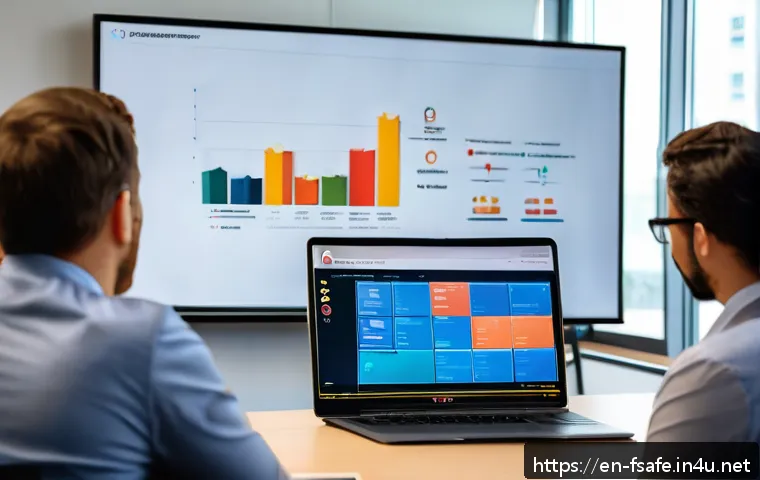
Presenting data in a clear, compelling way is key to gaining support for fire safety initiatives. Visual dashboards, trend graphs, and concise summaries help stakeholders understand the impact of your programs.
When I’ve prepared reports for senior management, emphasizing risk reduction and cost savings through data storytelling has been instrumental in securing buy-in and additional resources.
Strategic Career Advancement in Fire Safety Management
Identifying High-Value Skill Sets
Beyond technical proficiency, skills like leadership, project management, and communication are highly prized in fire safety roles. Developing these competencies can set you apart when aiming for senior positions.
Personally, taking courses on crisis management and negotiation paid off by equipping me to lead complex safety initiatives and liaise effectively with diverse teams.
Networking Within and Beyond the Industry
Building relationships with peers, regulators, and technology providers opens doors to new opportunities. Attending conferences, joining professional associations, and participating in online forums have helped me discover emerging trends and job openings before they’re widely advertised.
Networking isn’t just about job hunting—it’s about continuous learning and visibility in the field.
Crafting a Compelling Professional Brand
In today’s competitive landscape, how you present yourself online and offline matters. Sharing insights through articles, speaking engagements, or social media can establish you as a thought leader.
I found that writing about practical fire safety challenges and solutions attracted attention from recruiters and industry leaders alike. Authenticity is key—people connect with your unique experiences and perspectives.
Optimizing Fire Safety Programs for Cost Efficiency and Impact
Balancing Safety and Budget Constraints
One of the toughest challenges is delivering top-tier fire safety within budget limits. My approach has been to conduct thorough risk assessments to prioritize investments where they’ll have the greatest impact.
For example, upgrading alarm systems in high-occupancy areas before less critical zones ensures maximum safety without overspending. Transparent communication with finance teams about cost-benefit analyses also builds trust and support.
Implementing Preventive Maintenance Protocols
Routine maintenance is a silent hero in fire prevention. Scheduling regular checks and repairs can prevent costly breakdowns and safety breaches. I’ve implemented maintenance tracking systems that alert the team ahead of deadlines, reducing last-minute scrambles.
This proactive mindset saves money and lives by ensuring equipment reliability.
Evaluating Program Effectiveness Continuously
No program is perfect from the start. Regularly reviewing fire safety initiatives through audits and feedback loops uncovers areas for improvement. I’ve used performance metrics such as incident frequency, response times, and training completion rates to measure success.
Sharing these results with the team fosters accountability and motivates ongoing enhancements.
Emerging Technologies Shaping the Future of Fire Safety
Smart Sensors and IoT Integration
The rise of IoT devices has transformed fire detection and monitoring. Smart sensors can instantly alert managers to smoke, heat, or hazardous gases, often before traditional alarms trigger.
I’ve seen facilities reduce false alarms and response times significantly by integrating these technologies. The ability to remotely monitor conditions adds an extra layer of security, especially in large or unmanned locations.
AI-Powered Risk Assessment Tools
Artificial intelligence is starting to play a crucial role in analyzing complex data to predict fire risks. Some platforms use machine learning to evaluate building materials, occupancy patterns, and environmental factors.
In trials I observed, these tools helped prioritize inspections and tailor prevention strategies more accurately than manual methods.
Virtual Reality for Training and Drills
Virtual reality offers immersive training experiences that prepare teams for real-life fire emergencies without the risks. I’ve participated in VR drills that simulate smoke-filled environments and blocked exits, which heightened my situational awareness and decision-making skills.
This technology makes training more engaging and effective, especially for new hires or refresher sessions.
| Technology | Benefits | Implementation Tips |
|---|---|---|
| Digital Inspection Apps | Real-time reporting, reduced errors, easy audit preparation | Choose user-friendly apps and train staff thoroughly for adoption |
| Predictive Analytics Software | Proactive risk management, optimized resource allocation | Integrate historical data and environmental inputs for accuracy |
| Smart Sensors (IoT) | Early detection, remote monitoring, fewer false alarms | Ensure network security and regular calibration |
| Virtual Reality Training | Safe, immersive learning, improved retention | Combine with traditional drills for comprehensive training |
Conclusion
Mastering fire safety compliance requires a blend of knowledge, technology, and proactive management. By staying informed about regulations, leveraging innovative tools, and fostering a skilled team, organizations can create safer environments. Continuous improvement and effective communication are key to turning compliance into a strategic advantage rather than a mere obligation.
Helpful Information
1. Regularly review updates from local and national fire safety authorities to stay compliant and ahead of risks.
2. Utilize digital tools like inspection apps and predictive analytics to streamline processes and enhance accuracy.
3. Prioritize engaging, scenario-based training to ensure your team is confident and prepared for emergencies.
4. Foster open communication within your fire safety team to uncover hidden risks and build trust.
5. Invest in emerging technologies such as smart sensors and virtual reality to elevate prevention and training efforts.
Key Takeaways
Effective fire safety management hinges on understanding regulatory requirements and integrating technology to simplify compliance. Building a knowledgeable and communicative team is essential for ongoing success. Data-driven insights enable proactive risk mitigation, while continuous evaluation ensures programs remain effective and budget-conscious. Embracing innovation and professional growth positions both individuals and organizations for long-term safety excellence.
Frequently Asked Questions (FAQ) 📖
Q: uestionsQ1: What key skills should I develop to become a successful Fire Safety Manager?
A: To thrive as a Fire Safety Manager, focus on a blend of technical knowledge and leadership abilities. Understanding fire codes, risk assessment, and emergency response protocols is essential.
Beyond that, strong communication skills help in training teams and liaising with regulatory bodies. From my experience, adaptability to new technologies and proactive problem-solving set top professionals apart, especially as safety standards evolve rapidly.
Q: How can I stay updated with the latest regulations and technologies in fire safety?
A: Staying current involves continuous learning through industry seminars, certification courses, and memberships in professional organizations like NFPA or IFMA.
I personally found subscribing to specialized safety journals and attending webinars invaluable. Networking with peers also provides insights into practical challenges and innovations that aren’t always covered in official updates.
Q: What career advancement opportunities exist for experienced Fire Safety Managers?
A: Experienced Fire Safety Managers can move into senior leadership roles such as Safety Director or Compliance Manager, often overseeing broader risk management portfolios.
Some also transition into consultancy or training roles, leveraging their expertise to guide multiple organizations. In my journey, proactively seeking cross-functional projects and demonstrating measurable safety improvements opened doors to higher-paying, influential positions.