Hey everyone! You know, sometimes it’s easy to overlook the quiet heroes who work tirelessly to keep our communities safe. I’ve personally witnessed the sheer dedication of fire safety professionals, and let me tell you, it’s nothing short of inspiring.
From meticulous inspections to organizing impactful fire prevention campaigns, these incredible individuals are truly the backbone of our safety nets.
They’re not just following rules; they’re actively shaping a safer environment for all of us, often through innovative and engaging ways that really hit home.
It’s a topic I’m incredibly passionate about, and I want to share some insights that I think will truly open your eyes to their vital role. Let’s dive deeper and uncover the essential work behind fire safety management and prevention!
The Invisible Shield: The Daily Grind of Fire Safety Professionals
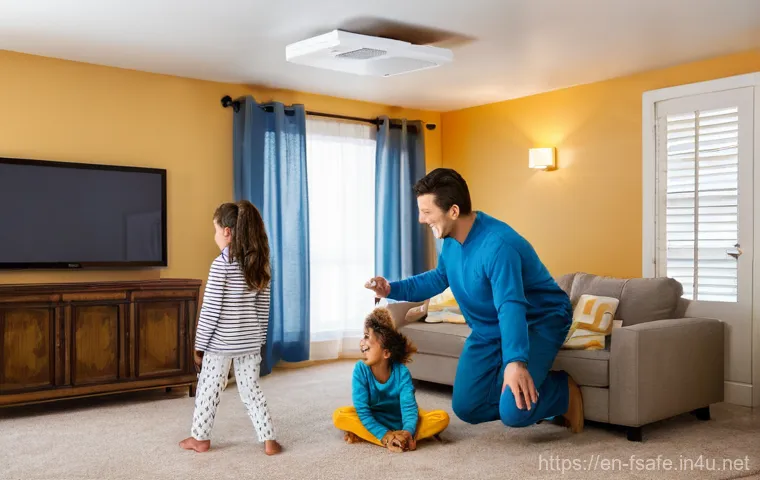
You know, it’s easy to take for granted the safety blanket that surrounds us, but behind every safe building, every quickly extinguished small fire, and every successful evacuation drill, there’s an incredible amount of work happening. I’ve personally witnessed the sheer dedication of fire safety professionals, and it’s truly humbling. They’re not just showing up when there’s an emergency; their real magic happens long before any alarm ever sounds. Think about it: they’re the ones meticulously inspecting buildings, making sure everything from fire exits to sprinkler systems is up to code. It’s a job that demands an incredible eye for detail, deep technical knowledge, and a constant awareness of potential risks. They’re constantly learning, adapting to new building materials, technologies, and fire hazards. It’s a relentless pursuit of prevention, and honestly, they’re the unsung heroes who allow us to sleep a little sounder at night, knowing someone is always on guard. Their commitment goes way beyond a 9-to-5, it’s a lifestyle of vigilance.
More Than Just Inspections: The Proactive Approach
From my experience, these professionals are true strategists. They don’t just react; they proactively shape our safety landscape. This means everything from developing intricate emergency response plans tailored to specific facilities, like hospitals or schools, to implementing cutting-edge fire suppression technologies. I recall a conversation with a fire marshal who explained how they work with architects during the design phase of new constructions, ensuring fire safety is baked in from the ground up, not just an afterthought. This proactive stance is what really sets them apart. They’re looking at the bigger picture, anticipating potential weak spots, and creating robust systems that stand strong when put to the test. It’s truly impressive to see how they manage to juggle regulatory compliance with innovative problem-solving, all while keeping the ultimate goal of protecting lives and property at the forefront of their minds. It’s a complex dance of regulations, engineering, and human psychology.
Training and Expertise: The Foundation of Preparedness
What truly underpins the effectiveness of fire safety management is the relentless pursuit of knowledge and skill. These individuals are perpetual students. They undergo rigorous training, certifications, and continuous professional development to stay ahead of evolving threats and technologies. I’ve heard stories of fire safety officers spending weekends in specialized workshops, learning about new hazardous materials or advanced evacuation techniques. Their expertise isn’t just theoretical; it’s forged in real-world scenarios, drills, and sometimes, unfortunate incidents that serve as harsh but invaluable lessons. This commitment to expertise builds an incredible level of authority and trust, which is crucial when they’re advising businesses, educating communities, or even responding to a crisis. It’s that deep well of knowledge and practical experience that makes their guidance so incredibly valuable and their presence so reassuring during moments of vulnerability.
Safeguarding Our Homes: Practical Fire Prevention You Can Do Today
Alright, let’s talk about something incredibly close to home, literally. While fire safety professionals are doing their amazing work, we all have a vital role to play in keeping our own spaces safe. I’ve learned over the years that fire prevention isn’t some complex mystery; it’s really about mindful habits and a little bit of proactive planning. It’s empowering to know that many serious fire incidents could be avoided with some simple, everyday actions. Honestly, when I first started thinking seriously about fire safety at home, it felt a little daunting, but once you break it down, it’s all about common sense. Think of it as a personal responsibility to yourself and your loved ones. These aren’t just rules; they’re safeguards that genuinely protect the things and people you cherish most. Taking these steps is an act of love, ensuring your home remains a haven rather than a hazard. It’s surprising how much difference a few small changes can make.
Kitchen Catastrophes Averted: Cooking Safety Essentials
I can’t stress this enough: the kitchen is often where many home fires begin. We’ve all been there – multitasking, getting distracted, leaving something on the stove for “just a minute.” But those minutes can turn into a nightmare. My personal rule of thumb is: never leave cooking food unattended, especially if you’re frying or grilling. If you have to step away, even for a second, turn off the heat. And keep a lid nearby! If a pan catches fire, don’t try to move it; just slide the lid over to smother the flames. Seriously, a grease fire can get out of control incredibly fast. Also, make sure to keep anything flammable – towels, curtains, paper – away from your stovetop. It might sound obvious, but in the rush of daily life, these small details are often overlooked. A clean kitchen, free of grease buildup, also plays a huge role in preventing flare-ups. A little caution goes a long, long way in keeping your cooking space safe.
Electrical Vigilance: Wiring Out the Danger
Electrical fires are another sneaky culprit, and often, they start from things we use every single day. Overloading outlets is a big no-no. I learned this the hard way after experiencing a minor circuit breaker trip that could have been much worse. Resist the urge to plug too many devices into one extension cord or outlet. If an appliance cord feels warm or looks frayed, replace it immediately. It’s not worth the risk! And never, ever run cords under rugs or furniture where they can be damaged or overheat unnoticed. When it comes to heating appliances, like space heaters, always plug them directly into a wall outlet and keep them clear of anything combustible. These small habits around electrical use can make a massive difference in preventing a dangerous situation from sparking up. Trust me, it’s much easier to be careful with cords than to deal with the aftermath of an electrical fire.
Smoke Alarms and Escape Plans: Your First Line of Defense
These two are non-negotiable, end of story. Smoke alarms are your earliest warning system, and they literally save lives. I make it a point to test mine monthly – it only takes a second! And don’t forget to change the batteries twice a year, usually when you change your clocks for daylight saving. But an alarm is only effective if you know what to do when it goes off. That’s where an escape plan comes in. Sit down with your family and map out at least two ways out of every room. Designate a meeting spot outside, a safe distance from your home. Practice the drill regularly, especially with kids, so everyone knows exactly what to do. It might feel a bit silly practicing, but in a real emergency, panic can set in, and a well-rehearsed plan can mean the difference between life and death. It’s truly the most critical safety net you can have.
Community Engagement: Making Fire Safety a Shared Responsibility
You know, fire safety isn’t just about what happens within the four walls of your home or business; it’s a collective effort that truly thrives on community involvement. I’ve seen firsthand how powerful it is when neighborhoods come together, when local fire departments aren’t just responders but educators and partners. It creates this incredible synergy where everyone feels empowered and responsible for the safety of their block, their street, and their town. This goes way beyond just putting out fires; it’s about nurturing a culture of vigilance and mutual support that strengthens the entire fabric of a community. When we work together, the impact is so much greater than any individual effort. It’s about building resilience from the ground up, making sure that everyone understands their role in preventing tragedies. I truly believe that a well-informed community is a safe community, and these efforts are a testament to that.
Educational Outreach: Bringing Knowledge to Your Doorstep
One of the things I truly admire about fire departments is their commitment to education. They’re not just waiting for emergencies; they’re actively out there in schools, community centers, and even local fairs, sharing vital knowledge. I remember a fantastic fire safety fair I attended last year where they had interactive displays, demonstrating how quickly a small fire can spread and showing kids how to “stop, drop, and roll.” These outreach programs are invaluable because they break down complex safety information into digestible, engaging lessons for all ages. They’re teaching children the importance of smoke detectors, showing adults how to use a fire extinguisher, and providing accessible resources for everyone. It’s a proactive approach that ensures vital information reaches every corner of the community, empowering residents to become active participants in their own safety. These educational initiatives truly are the bedrock of fire prevention efforts, fostering a knowledgeable and prepared populace.
Collaborative Efforts: Local Departments and You
The relationship between residents and their local fire department is truly a partnership. It’s not a one-way street where the department just handles emergencies. They offer so much more – free home fire safety checks, advice on installing smoke and carbon monoxide detectors, and even programs for vulnerable residents. I always encourage people to get to know their local firefighters and take advantage of these resources. Building this relationship means that when an emergency *does* happen, there’s already a foundation of trust and understanding. It allows the department to better understand the unique needs of the community and tailor their prevention strategies accordingly. This collaborative spirit is what transforms a group of individuals into a resilient community, ready to face challenges together. It’s about creating a shared sense of responsibility and leveraging collective wisdom to build a safer environment for everyone.
The Tech Evolution: Smart Solutions in Fire Protection
It’s fascinating to see how technology is constantly reshaping the world of fire safety. What used to be rudimentary detection systems has evolved into incredibly sophisticated networks that can predict, detect, and even mitigate fire risks with astonishing speed and accuracy. I’ve been following these developments closely, and frankly, some of the innovations feel like something out of a futuristic movie. But they’re real, and they’re making our lives significantly safer. This isn’t just about fancier sprinklers; it’s about integrating data, artificial intelligence, and smart sensors to create a truly proactive defense against fire. It’s an exciting time to be involved in conversations around safety, as technology is truly providing us with tools we could only dream of a decade or two ago. The integration of these advanced systems into our homes and workplaces is revolutionizing how we think about fire prevention and response, constantly pushing the boundaries of what’s possible.
IoT and AI: Predictive Power in Prevention
The Internet of Things (IoT) combined with Artificial Intelligence (AI) is a game-changer. Imagine smoke detectors that don’t just alert you to smoke but can also detect minute changes in air quality, temperature, and even unusual electrical activity, predicting a potential fire *before* it even starts. I’ve seen examples of smart home systems that can differentiate between burnt toast and a genuine fire, reducing false alarms and ensuring a more effective response. In commercial buildings, AI-powered surveillance systems can identify the earliest signs of a fire, pinpoint its exact location, and even guide occupants to the safest exit routes. This predictive capability is incredibly powerful, giving precious extra minutes for evacuation and response. It’s about moving from reactive to truly proactive fire safety, using data to anticipate and prevent disasters, which is incredibly reassuring. It’s like having a hyper-vigilant guardian constantly monitoring for threats, learning and adapting in real-time.
Advanced Suppression Systems: Beyond the Sprinkler
While traditional sprinklers are effective, the new generation of suppression systems is truly remarkable. We’re seeing innovations like misting systems that use significantly less water but are incredibly efficient at extinguishing fires, minimizing water damage in the process. Then there are clean agent suppression systems, which use specialized gases to extinguish fires without harming electronic equipment or sensitive documents, making them ideal for data centers and archives. I’m particularly impressed by targeted suppression systems that can detect and extinguish a fire in a specific area, preventing it from spreading without drenching an entire room. These advancements mean that fire response can be more precise, more efficient, and ultimately, less destructive. It’s a testament to human ingenuity, finding ways to fight fire smarter, not just harder, and preserving invaluable assets alongside lives.
| Innovation | Description | Primary Benefit |
|---|---|---|
| Smart Smoke Detectors | Integrates with smart home systems, detects subtle changes in air quality, temperature. | Early detection, fewer false alarms, remote monitoring. |
| IoT-Enabled Monitoring | Sensors monitor electrical loads, gas leaks, and environmental factors in real-time. | Predictive prevention, pinpointing hazard locations. |
| Water Mist Systems | Uses fine water droplets to suppress fires with minimal water volume. | Effective suppression, reduced water damage, environmentally friendly. |
| Clean Agent Systems | Uses non-toxic gases to extinguish fires without residue, safe for electronics. | Protects valuable assets, minimizes downtime after an incident. |
| AI-Powered Evacuation Guidance | Analyzes fire spread and building layouts to suggest optimal escape routes. | Enhanced occupant safety, efficient evacuation. |
Emergency Preparedness: When Every Second Counts
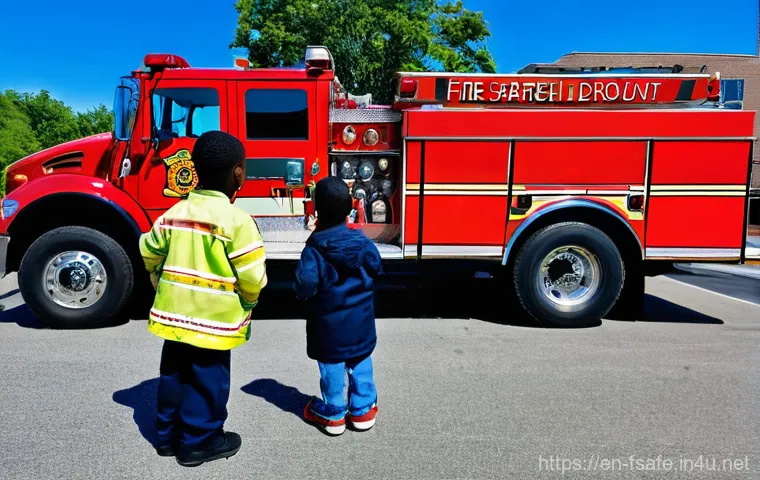
Let’s be brutally honest for a moment: sometimes, despite everyone’s best efforts, a fire can still happen. And in those moments, time is the ultimate luxury. That’s why emergency preparedness isn’t just a good idea; it’s absolutely crucial. I’ve heard countless stories where a well-practiced plan made the difference between a close call and a devastating tragedy. It’s about knowing exactly what to do, where to go, and how to communicate when panic might otherwise set in. This isn’t about being scared; it’s about being smart and empowered. Thinking through these scenarios *before* they happen gives you a roadmap to follow under pressure, turning potential chaos into a structured response. It’s truly a gift you give yourself and your loved ones – the gift of readiness, ensuring that when the unexpected strikes, you’re not caught off guard. Every moment spent preparing is an investment in your safety and peace of mind.
Developing Your Family’s Escape Route
This is probably the most fundamental, yet often overlooked, aspect of home fire safety. You absolutely need to sit down with everyone in your household and literally draw out an escape plan. Identify at least two ways out of every single room. Think about windows, doors, even an emergency ladder if you have upstairs bedrooms. I remember doing this with my own family; it really opened our eyes to potential bottlenecks or areas we hadn’t considered. Practice crawling low under smoke, which is a key life-saving technique. And make sure everyone, especially children, knows how to open windows and unlock doors in an emergency. Don’t assume anything. Go through each step, physically walking the escape routes. The goal is to make these movements second nature, so if a fire ever erupts, instinct takes over, guiding everyone to safety quickly and efficiently. It’s a small investment of time that yields immense peace of mind.
The Importance of Meeting Points and Communication
Once you’ve escaped your home, the next critical step is to have a designated safe meeting point. This spot should be a clear distance away from your house – maybe a neighbor’s mailbox, a specific tree, or a streetlamp. The idea is that everyone knows exactly where to go so you can quickly account for every family member. There’s nothing worse than escaping a fire only to wonder if someone is still inside. Additionally, establish clear communication protocols. Who calls 911? What information do they need to provide? Have emergency numbers easily accessible, perhaps programmed into everyone’s phones. In the heat of the moment, these details can easily be forgotten. A clear meeting point and a practiced communication plan reduce anxiety and streamline the response, allowing you to focus on the immediate safety of your family rather than searching for loved ones amidst the chaos. It’s about ensuring everyone is accounted for and safe, no matter what.
The Economic Impact of Fire: Why Prevention Pays Off
You know, beyond the immediate danger and heartache, fires carry a staggering economic cost that often goes unnoticed until you’re directly affected. We often focus on the emotional toll, which is immeasurable, but the financial devastation can be absolutely crippling for individuals, families, and businesses alike. From property damage that insurance might not fully cover to the loss of irreplaceable items, the financial hit is profound. And for businesses, it can mean not just property loss but also lost revenue, shattered supply chains, and even permanent closure. That’s why I’m such a strong advocate for fire prevention – it’s not just about saving lives, it’s about protecting livelihoods and investments. When you weigh the relatively small costs of proactive prevention measures against the potentially catastrophic costs of a fire, the choice becomes incredibly clear. It’s an investment that pays dividends in safety, stability, and peace of mind.
Saving More Than Just Money: The Human Cost
While the dollar figures are daunting, the true cost of a fire extends far beyond financial losses. It’s the loss of cherished memories, family heirlooms, and personal documents that can never be replaced. It’s the psychological trauma that survivors often carry for years, the displacement from a familiar home, and the disruption of an entire life. For individuals, a fire can mean starting completely from scratch, facing the emotional and logistical challenges of rebuilding everything they’ve lost. I’ve heard stories that truly break your heart, tales of families who lost everything and the immense struggle they faced to regain a sense of normalcy. This profound human cost underscores why every single effort in fire prevention is so incredibly vital. It’s about preserving not just structures, but the very fabric of people’s lives, their sense of security, and their future well-being. It’s a stark reminder that prevention truly is priceless.
Business Continuity: Protecting Livelihoods
For businesses, a fire can be an existential threat. Beyond the direct damage to buildings and equipment, there’s the catastrophic impact on operations. Imagine a restaurant losing its kitchen, a factory its production line, or an office its vital data. The downtime alone can lead to massive revenue losses, customer exodus, and the heartbreaking reality of laying off employees. Many small businesses, in particular, never fully recover from a major fire, simply because they can’t withstand the financial hit or the interruption to their operations. This is where robust fire prevention and emergency planning become absolutely critical for business continuity. It’s about protecting jobs, client relationships, and the very existence of an enterprise. Proactive measures like regular inspections, updated fire suppression systems, and comprehensive evacuation plans aren’t just regulatory checkboxes; they are strategic investments in the long-term viability and resilience of any organization. It truly saves more than just buildings; it saves careers and dreams.
Cultivating a Culture of Safety: Lessons from Around the Globe
When you look at fire safety on a global scale, it’s fascinating to see the different approaches and best practices that emerge from various cultures and regulatory environments. While the core principles of fire prevention remain universal, the ways in which communities embed these principles into their daily lives can vary significantly. I’ve always been keen to explore how different regions tackle this challenge, because there’s so much we can learn from each other. It’s not just about adopting a specific technology or regulation; it’s about understanding the underlying cultural values and community structures that foster a truly safety-conscious mindset. This broader perspective helps us appreciate that fire safety isn’t a static concept but a living, evolving practice that benefits from diverse insights and experiences. It shows that a strong culture of safety is often built on shared values and collective responsibility, transcending geographical boundaries.
International Best Practices: What We Can Learn
Different countries have pioneered incredible innovations and regulations that are worth noting. For example, some nations emphasize rigorous, multi-level building codes with extremely strict enforcement, leading to incredibly resilient structures. Others prioritize extensive public education campaigns from a very young age, embedding fire safety awareness deeply into their citizenry. I’ve also observed places where community emergency response teams are highly integrated, empowering ordinary citizens to take on active roles in initial response and support. These diverse approaches highlight that there isn’t a single “right” way to achieve comprehensive fire safety, but rather a spectrum of effective strategies. By studying these international best practices, we can identify gaps in our own systems, adapt successful models, and ultimately strengthen our collective defenses against fire. It’s a continuous learning process, and the insights from across the globe are truly invaluable in shaping our future safety protocols.
Personal Anecdotes: Acknowledging Dedication
On a more personal note, I’ve always been deeply moved by the stories of individuals who dedicate their lives to fire safety, whether they’re professional firefighters, volunteer educators, or vigilant safety officers. I recall meeting a retired fire captain who spent his golden years volunteering at local schools, teaching kids about fire safety with such passion and humor. His dedication was palpable, and you could see the impact he had on those young minds. These personal commitments, often quietly undertaken, are what truly build a strong foundation of safety within any community. It’s not just about policies and procedures; it’s about the human heart, the desire to protect others, and the willingness to go the extra mile. Their unwavering efforts and genuine care are the real engines behind effective fire safety, reminding us that at its core, it’s a deeply human endeavor driven by compassion and a profound sense of responsibility.
Wrapping Things Up
So, there you have it. We’ve journeyed through the intricate world of fire safety, from the quiet dedication of professionals to the simple yet powerful steps we can all take at home. What I hope you take away from this is a renewed sense of empowerment. Fire safety isn’t some abstract concept; it’s a living, breathing practice that thrives on vigilance, knowledge, and a commitment to protecting what matters most. Remember, every little action you take, every smoke alarm you test, every escape plan you review, contributes to a safer environment for everyone. It’s a continuous effort, a shared responsibility, and ultimately, an act of care for ourselves, our loved ones, and our communities. Let’s keep these conversations going, stay informed, and build a future where safety is always front and center.
Useful Information to Know
1. Test Your Smoke Alarms Monthly: This is probably the easiest and most critical step you can take. A quick press of the test button ensures your earliest warning system is functional. Don’t forget to change batteries twice a year, typically with daylight saving time changes.
2. Never Leave Cooking Unattended: Kitchen fires are incredibly common. If you step away from the stove, even for a moment, turn off the heat. Keep a lid handy to smother grease fires – never use water!
3. Plan and Practice Your Escape Route: Have at least two ways out of every room in your home, and designate a safe outdoor meeting point. Practice this plan regularly with your household, especially children, so everyone knows what to do if an alarm sounds.
4. Avoid Overloading Electrical Outlets: Plug major appliances directly into wall outlets and inspect cords regularly for fraying or damage. Overloading outlets or running cords under rugs can lead to dangerous electrical fires.
5. Know Your Local Fire Department’s Resources: Many local fire departments offer free home safety checks, advice, and educational programs. Reach out to them; they are invaluable partners in keeping your community safe and informed.
Key Takeaways
In essence, fire safety is a multi-faceted endeavor that relies on a strong foundation of professional expertise, individual preparedness, community engagement, and technological innovation. It’s about proactive prevention rather than reactive response, understanding that an ounce of prevention is truly worth a pound of cure. From the meticulous inspections performed by dedicated professionals to the simple act of checking your smoke alarm batteries, every effort contributes to building a more resilient and secure environment. Embracing smart home technologies for early detection, fostering open communication within our neighborhoods, and diligently practicing emergency escape plans are all vital components. Ultimately, a true culture of safety stems from a shared responsibility and a continuous commitment to learning and adapting, ensuring that we protect not just property, but priceless lives and cherished memories.
Frequently Asked Questions (FAQ) 📖
Q: What are some of the most overlooked aspects of fire safety that we, as everyday people, should really pay attention to?
A: You know, it’s funny how we often focus on the big, dramatic aspects of fire safety – like the fire trucks rushing to a scene – but the real heroes are often the small, consistent habits we overlook.
From my own experience, and what I’ve personally learned from talking to fire safety experts, one of the biggest blind spots is the maintenance of our smoke and carbon monoxide detectors.
We install them and then forget about them! It’s not just about having them; it’s about testing them monthly and changing those batteries at least once a year.
Seriously, set a calendar reminder, like when daylight saving time changes – it’s a super easy way to remember. Another huge one is electrical safety.
We live in a world overflowing with gadgets, and it’s so tempting to daisy-chain power strips or overload outlets. I’ve been guilty of it myself, squeezing in “just one more” charger, but that’s a recipe for disaster.
Always check for frayed cords, don’t run them under carpets where they can overheat, and be mindful of how many high-wattage appliances are plugged into one circuit.
Also, think about your dryer vent! It’s not just lint in the trap; lint builds up in the vent hose itself, becoming a ticking time bomb. A thorough cleaning at least once a year can prevent a common cause of household fires.
These little details? They’re where fire prevention truly lives, and they can genuinely save lives and homes.
Q: Beyond just inspections, how do fire safety professionals actually engage with communities to make a real difference in prevention?
A: That’s such a brilliant question because it really gets to the heart of their proactive work! Many people picture fire safety professionals just doing official inspections, ticking boxes, and making sure buildings are up to code – and yes, that’s a crucial part of it.
But what I’ve found to be truly inspiring is their dedication to community engagement. They’re not just regulators; they’re educators and community builders.
I’ve seen them host fantastic public workshops at local schools and community centers, teaching kids and adults alike about escape routes, stop-drop-and-roll, and the importance of having a family meeting point.
They’ll often partner with local businesses or non-profits for initiatives like free smoke detector giveaways and installations for vulnerable populations.
You’ll find them at community events, often with a fire truck, letting kids explore and learn in a super engaging way, which honestly makes fire safety less daunting and more relatable.
It’s all about building relationships and trust, showing folks that fire safety isn’t just a set of rules, but a collective effort for everyone’s well-being.
They’re constantly finding innovative, often surprisingly fun, ways to embed safety knowledge right into the fabric of our daily lives, making prevention feel less like a chore and more like caring for your neighbors.
Q: With all the new technologies out there, how is fire safety management evolving, and what does that mean for our personal and community safety?
A: Oh, this is where it gets really exciting! As someone who’s always fascinated by how technology can improve our lives, I’ve been keenly observing how fire safety management is absolutely leaping forward.
It’s not just about traditional sprinklers and alarms anymore; we’re talking about a whole new level of smart, proactive defense. Think about smart home devices.
Now, your smoke detectors can be interconnected and even alert your phone if there’s an issue, no matter where you are. Some even use AI to differentiate between cooking smoke and an actual fire, cutting down on those annoying false alarms we all dread.
On a larger scale, fire safety professionals are leveraging drones with thermal imaging to quickly assess wildfires and large commercial building fires, giving them a real-time, bird’s-eye view that’s impossible from the ground.
Building management systems are becoming incredibly sophisticated, integrating fire alarms, ventilation, and access control to create smart, responsive safety protocols.
What this means for us is a faster, more intelligent response to emergencies, more accurate detection, and ultimately, a significantly higher chance of preventing catastrophic damage and saving lives.
It’s truly a game-changer, and it’s heartening to see how these innovations are making our communities safer than ever before.