You know, when it comes to keeping our buildings and communities truly safe, few roles are as vital as a certified fire safety professional. But if you’ve ever considered earning that crucial certification, you’ve likely felt the sheer weight of information that needs to be mastered.
It’s not just about rote memorization; it’s about deeply understanding the core principles and how they apply in our increasingly complex world of smart buildings and evolving regulations.
I still recall that initial overwhelm when staring down the lengthy study guides! That’s precisely why I’ve painstakingly analyzed the critical areas that consistently make up the backbone of these rigorous fire safety exams.
Ready to streamline your study efforts and truly ace your certification? Let’s explore it in detail.
Unpacking the Core Principles: The Science Behind Fire Safety
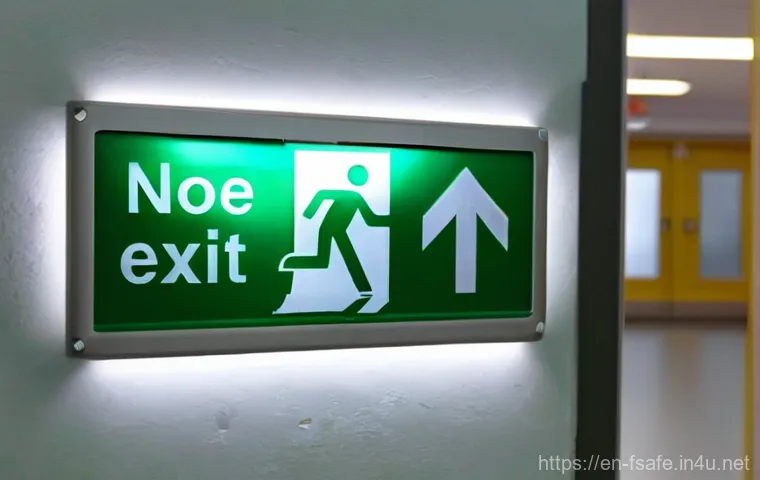
You know, when I first dove into studying for my fire safety certification, I quickly realized it wasn’t just about memorizing facts and figures. It was about truly understanding the fundamental scientific principles that govern fire behavior. It’s like learning the alphabet before you can write a novel; without a solid grasp of how combustion works, how heat transfers, and what makes materials burn, everything else just feels like disconnected pieces of a puzzle. I remember one particularly challenging evening trying to wrap my head around flashover points, and suddenly, it just clicked – that ‘aha!’ moment felt amazing and made all the previous frustration worth it. This foundational knowledge is your bedrock, informing every decision you’ll make as a professional. It’s what allows you to predict how a fire might spread, what kind of damage it could inflict, and crucially, how best to stop it in its tracks. Without this deep dive, you’re essentially building a house on sand, and believe me, you don’t want that when lives are on the line. It’s truly a rewarding challenge to see these complex scientific concepts translate into real-world safety measures.
Understanding Combustion Dynamics and Chemistry
At its heart, fire is a chemical reaction, and understanding the fire tetrahedron—fuel, oxygen, heat, and the chain reaction—is absolutely non-negotiable. I remember struggling to differentiate between deflagration and detonation, and then a seasoned professional shared a real-world example of a dust explosion in an industrial setting, which made it crystal clear. It’s not just theoretical; knowing the specific chemical compositions of different fuels helps you anticipate how quickly a fire will grow, what byproducts it will generate, and what type of extinguishing agent will be most effective. Think about it: a grease fire needs a different approach than an electrical fire, right? That’s all rooted in the chemistry. The energy released, the smoke produced, the toxicity of the fumes—it all comes back to these basic reactions. My personal experience studying this made me appreciate the sheer destructive power but also the intricate beauty of these processes.
Heat Transfer Mechanisms: Conduction, Convection, Radiation
Once you understand *what* causes fire, you need to know *how* it spreads. The three amigos of heat transfer—conduction, convection, and radiation—are always at play. I vividly recall a scenario where a building’s steel beams, seemingly far from the initial ignition, buckled due to heat conducted through them. Or the way smoke and hot gases, driven by convection, raced through stairwells, turning escape routes into deadly chimneys. And radiation, that silent killer, can pre-heat adjacent materials, causing them to ignite without direct flame contact. I’ve often thought about how a simple stove fire can quickly become a kitchen inferno because of radiation igniting nearby curtains. Truly grasping these mechanisms helped me visualize potential fire paths and understand why certain firestopping measures are so vital. It’s not enough to know they exist; you need to feel how they interact in a real-world building, influencing everything from sprinkler placement to exit sign visibility.
Deciphering the Blueprint: Codes, Standards, and Regulations
If the science is the bedrock, then codes and standards are the architectural blueprints that bring fire safety to life in our buildings and communities. When I first started, the sheer volume of acronyms—NFPA, IBC, IFC, OSHA—felt like a foreign language. It was daunting, to say the least! I remember my initial frustration digging through thick code books, trying to find the exact requirement for a specific occupancy type. But as I spent more time with them, I realized these aren’t just arbitrary rules; they are distilled wisdom, born from countless past tragedies and rigorous testing. They represent the minimum acceptable level of safety, the non-negotiable framework that protects lives and property. Honestly, once you start to see the logic and the historical lessons embedded within each clause, it transforms from a dry legal document into a compelling narrative of continuous improvement in safety practices. My personal ‘aha’ moment came when I saw how a specific code requirement for fire doors directly correlated to preventing smoke spread, which I had just learned about in the heat transfer section. It truly connects the dots, and then it all just makes so much sense.
Navigating Key Regulatory Bodies and Documents
For us in the US, organizations like the National Fire Protection Association (NFPA) and their suite of codes (NFPA 101 Life Safety Code, NFPA 72 National Fire Alarm and Signaling Code, etc.) are our bible. Then there’s the International Building Code (IBC) and the International Fire Code (IFC), which many jurisdictions adopt. It’s critical to understand which codes are adopted in your specific region, because they can vary! I’ve personally seen projects get held up because the local authority had amended a section of the IBC, and the design team hadn’t caught the local nuance. Staying current with these documents is a job in itself, as they are constantly updated and refined based on new research, technologies, and real-world incidents. It’s like being a detective, always on the hunt for the latest version and any local amendments. My pro tip? Get comfortable with digital versions and their search functions; it’ll save you countless hours of flipping through pages.
Understanding Occupancy Classifications and Egress Requirements
One of the most impactful areas of the codes, in my opinion, is how they categorize buildings by occupancy type and then prescribe specific egress requirements. A hospital, a school, an office building, a factory—each has vastly different risks and occupant needs during an emergency. The codes meticulously lay out requirements for the number and width of exits, travel distances, and emergency lighting. I vividly remember a scenario where an architect had designed a beautiful, open-plan office, but hadn’t accounted for the increased occupant load, which meant the existing exit capacity was insufficient. We had to go back to the drawing board, and it was a stark reminder of how these regulations directly impact design and human safety. Getting this right isn’t just about compliance; it’s about ensuring every single person has a clear, safe path to escape when chaos erupts. It’s a powerful feeling to know your work directly contributes to that fundamental safety.
The Lifelines of Safety: Fire Protection Systems
Walking into any modern building, you’re surrounded by an intricate web of fire protection systems, many of which work silently in the background until they’re truly needed. When I was preparing for my exam, I spent countless hours not just memorizing the types of systems, but truly trying to visualize how each component integrates and functions as a cohesive unit. It’s like the circulatory system of a building, with sensors as nerve endings and suppression agents as life-saving blood. From the earliest detection of smoke to the final dousing of flames, each system plays a critical role. I remember feeling overwhelmed by the sheer variety of sprinkler heads or the different types of fire alarm initiating devices. But then, a mentor shared stories of real fires where these systems, sometimes unseen and unappreciated, made all the difference between a minor incident and a catastrophic loss of life. It made me realize that these aren’t just pieces of equipment; they are sophisticated guardians, designed to give occupants precious time and firefighters a fighting chance. Getting to truly understand their design principles and operational nuances is incredibly rewarding, knowing you’re contributing to their effective deployment.
Detection and Alarm Systems: The Early Warning Network
Before any water or chemicals can be deployed, you need to know there’s a problem. That’s where detection and alarm systems come in. We’re talking about smoke detectors, heat detectors, carbon monoxide detectors, and pull stations, all wired into a central fire alarm control panel. I’ve personally seen how the rapid activation of a modern addressable fire alarm system can make all the difference, pinpointing the exact location of a developing incident and initiating a swift evacuation. The technology has evolved so much, from simple conventional systems to highly intelligent, networked setups. Understanding the nuances of where to place different types of detectors, how to design for proper notification (strobes, horns, voice evacuation), and ensuring system integrity is a massive part of the job. It’s truly the building’s first line of defense, the voice that shouts a warning when danger approaches.
Suppression Systems: Active Firefighting in Action
Once a fire is detected, suppression systems jump into action. This is where sprinklers, standpipes, fire extinguishers, and special hazard systems like clean agent or foam systems come into play. I’ve had the invaluable experience of witnessing a live sprinkler activation demonstration, and let me tell you, it’s incredibly impressive how quickly and effectively they can control a fire. It’s not Hollywood; usually, only a few heads activate, targeting the fire directly. But designing these systems is an art and a science, considering water pressure, flow rates, pipe sizing, and hydraulic calculations. I recall one project where a small error in a hydraulic calculation could have rendered an entire sprinkler system ineffective in a critical zone, highlighting the immense responsibility involved. Beyond sprinklers, knowing when to specify a clean agent system for a server room or a foam system for a flammable liquid storage area requires specialized knowledge and careful consideration of the risks involved. It’s all about matching the right tool to the specific fire hazard.
Emergency Preparedness: Planning for the Unthinkable
Even with the most robust fire protection systems in place, things can still go wrong. That’s why emergency planning and incident management are not just important, they are absolutely critical. It’s about anticipating the unthinkable and having a solid, actionable plan in place to guide people to safety and manage the crisis effectively. I remember participating in a large-scale evacuation drill at a high-rise building, and even with all the planning, there were still unexpected challenges, like a temporary bottleneck at a stairwell. These real-world exercises taught me that the best plan is one that’s regularly tested, reviewed, and adapted. It’s about being prepared, not just compliant, and fostering a culture of safety where everyone knows their role when the alarm sounds. My personal take is that a well-executed emergency plan is just as vital as any piece of hardware in a building; it’s the human element that brings everything together during a crisis.
Developing and Implementing Emergency Action Plans (EAPs)
A well-crafted Emergency Action Plan (EAP) is your roadmap during a fire or other emergency. It outlines everything from evacuation procedures and designated assembly points to roles and responsibilities of floor wardens and communication protocols. I’ve personally helped businesses develop their EAPs, and it’s always a detailed, collaborative process. You need to consider the specific layout of the building, the mobility of occupants, potential hazards, and local emergency services contacts. It’s not a ‘one size fits all’ document; a manufacturing plant’s EAP will look vastly different from a retail store’s. The key, in my experience, is not just creating the document, but actively training staff, conducting drills, and making sure everyone understands their part. An EAP sitting on a shelf is useless; an EAP that’s been practiced and internalized can save lives. It gives people clarity and direction when panic could otherwise set in, which is an invaluable asset.
Incident Command Systems and Coordination with First Responders

During an actual incident, effective coordination with external emergency services—the fire department, police, EMS—is paramount. This is where understanding Incident Command Systems (ICS) becomes vital. ICS provides a standardized, hierarchical structure for managing emergencies, ensuring clear lines of communication and command. I’ve participated in joint training exercises where facility fire safety teams worked alongside municipal firefighters, practicing communication handoffs and mutual aid strategies. It’s an eye-opening experience that highlights the importance of clear, concise information exchange under pressure. Knowing who to call, what information to provide, and how to support first responders when they arrive can significantly impact the outcome of an emergency. My personal philosophy is that we are all on the same team when a crisis hits, and robust pre-planning and training make that teamwork seamless and effective. It’s about building those bridges before you ever need to cross them.
Human Behavior in Fire: The Unpredictable Element
You can design the safest building with the most advanced systems, but ultimately, human behavior during a fire is the wild card. This aspect of fire safety fascinated me during my studies because it delved into psychology and sociology, rather than just engineering. I realized that people don’t always react rationally in a crisis. Panic, confusion, attachment to belongings, or even a desire to help others can override logical thought. I recall a case study of a fire where individuals hesitated to use a clearly marked exit because it wasn’t the path they usually took to leave the building. It highlighted that our assumptions about how people *should* react often fall short of how they *do* react. Understanding these behavioral patterns is crucial for designing effective escape routes, clear signage, and impactful public education campaigns. It’s about anticipating the irrational to better guide people towards safety, which I find to be an incredibly empathetic and important part of our role. This field truly opened my eyes to the importance of the human factor in every safety equation.
Psychological Responses to Emergency Situations
When the fire alarm blares, most people experience a surge of adrenaline, and for some, that can lead to confusion or even freezing. The “normalcy bias” is a powerful psychological phenomenon where people tend to believe that nothing truly bad will happen to them, leading to delayed evacuation. I’ve personally seen this in drills where people would finish a phone call or grab their coat before heading out. Understanding these biases allows us to design more effective emergency communications that cut through the noise and compel immediate action. It’s about clear, unambiguous messages, not just a blaring alarm. Factors like familiarity with the building, peer influence, and the presence of authority figures also play significant roles in how individuals respond. My own experience has taught me that simply telling someone what to do isn’t enough; you need to understand *why* they might hesitate and then design systems and training to counteract those natural, yet sometimes dangerous, tendencies.
Designing for Intuitive Egress and Clear Signage
Because people may not react rationally, our job is to make the safe path the *obvious* path. This means intuitive egress routes, clearly visible and well-maintained exit signs (including low-level egress path marking), and effective emergency lighting that illuminates the way even if power fails. I remember learning about a fire where dense smoke made overhead exit signs invisible, but illuminated floor-level markers guided people out. It was a powerful reminder that every detail matters. The design should minimize decision-making under duress. Are emergency exits clearly distinguishable from regular doors? Is there enough space in stairwells? Are pathways unobstructed? These are the questions we constantly ask ourselves. It’s about building a subconscious navigational system that guides people to safety, even when their conscious minds are battling fear and confusion. This proactive approach to human behavior in design is a cornerstone of effective fire safety.
Assessing and Mitigating Risk: Building Resilient Communities
At the heart of a fire safety professional’s role is the ability to look at a building, a process, or a community and identify potential fire hazards before they become a raging inferno. This isn’t just about ticking boxes on a checklist; it’s about a deep, intuitive understanding of risk, probabilities, and potential consequences. I’ve spent countless hours poring over building plans, walking through facilities, and talking to occupants, trying to envision every possible failure point. It’s a bit like being a detective, piecing together clues to paint a complete picture of vulnerability. My personal experience has shown me that the most effective fire safety isn’t reactive; it’s profoundly proactive. It involves weighing the likelihood of an event against the severity of its impact and then implementing measures that reduce both. This holistic approach, from initial design to ongoing maintenance, ensures that we’re building not just structures, but truly resilient and safe environments. It’s a continuous learning curve, always adapting to new technologies and new hazards.
Conducting Thorough Fire Risk Assessments
A comprehensive fire risk assessment is more than just a regulatory requirement; it’s an essential tool for identifying, evaluating, and controlling fire hazards. This involves systematically examining all aspects of a building or operation, from potential ignition sources and fuel loads to the effectiveness of existing fire protection systems and emergency procedures. I remember conducting my first detailed risk assessment for an old manufacturing plant, and the process was incredibly insightful. It forced me to think critically about every electrical panel, every chemical storage area, and every escape route. The key, I’ve found, is to be meticulous and to engage with the people who actually work in the space, as they often have invaluable insights into day-to-day operations and potential blind spots. It’s not just about identifying hazards, but also assessing the likelihood of those hazards leading to a fire and the potential impact on life and property. This careful evaluation then informs our mitigation strategies.
Implementing Effective Mitigation Strategies
Once risks are identified, the next crucial step is implementing effective mitigation strategies. This could involve anything from upgrading fire alarm systems and installing additional sprinklers to implementing stricter hot work permits, improving housekeeping practices, or enhancing occupant training. I’ve personally been involved in projects where a simple change in the storage of flammable materials significantly reduced a major fire risk. Sometimes it’s about physical changes to the building, other times it’s about procedural changes or educating staff. The goal is always to either eliminate the hazard, reduce its likelihood, or minimize the consequences if a fire does occur. It’s a dynamic process that requires ongoing monitoring and adjustment, as risks can evolve over time with changes in building use, technology, or occupant behavior. It’s truly about creating layers of protection, ensuring that if one safeguard fails, others are there to pick up the slack, building a strong, secure environment.
| System Type | Primary Function | Common Applications | Key Considerations |
|---|---|---|---|
| Automatic Sprinkler Systems | Active fire suppression, limit fire spread and damage | Commercial buildings, residential high-rises, industrial facilities | Water supply, hydraulic calculations, occupancy hazard, maintenance |
| Fire Alarm & Detection Systems | Early warning of fire, initiate occupant evacuation | All building types, especially public assembly and residential | Detector type/placement, notification appliance coverage, power backup |
| Emergency Lighting & Exit Signs | Illumination for safe egress during power failure | All occupied buildings | Visibility, illumination levels, battery backup, testing |
| Standpipe Systems | Provide water for manual firefighting operations by fire department | High-rise buildings, large area buildings | Hose connections, pressure regulation, accessibility for firefighters |
Wrapping Things Up
As we’ve journeyed through the intricate world of fire safety, from the raw science of combustion to the nuanced psychology of human behavior in emergencies, it becomes incredibly clear that this isn’t a static field. It’s a living, breathing discipline that demands constant learning, adaptation, and a deep sense of responsibility. Every building, every occupant, and every situation presents a unique set of challenges that call for our expertise and experience. My hope is that this deep dive has not only informed you but also instilled a profound appreciation for the dedicated professionals who work tirelessly to protect our communities. It truly is about creating those robust layers of protection, building resilience, and ensuring everyone can feel safe where they live, work, and play.
Good to Know Info
1. Regularly test your smoke detectors and carbon monoxide alarms. A good rule of thumb is to check them monthly and replace batteries at least once a year, like when you change your clocks for daylight saving. It’s a small effort for a huge peace of mind.
2. Have an emergency escape plan for your home or workplace. Practice it with everyone who lives or works there, designating a safe meeting spot outside. Knowing your routes intuitively can save precious seconds.
3. Understand the different types of fire extinguishers (e.g., A, B, C, K) and where each is appropriate. Don’t just own one; know how to use it! There are often free training sessions available in many communities.
4. Keep exits clear and unobstructed, whether it’s your front door or a fire exit in a public building. Clutter can become a deadly barrier during an emergency. This is such a simple step that often gets overlooked.
5. If you live in an apartment or work in a multi-story building, familiarize yourself with the building’s specific fire safety plan and emergency procedures. Every building is different, and being informed can make all the difference.
Key Takeaways
Ultimately, fire safety is a multifaceted discipline that integrates scientific principles, stringent regulations, advanced technology, and a deep understanding of human psychology. It’s about being proactive rather than reactive, consistently assessing risks, and implementing thoughtful mitigation strategies. From the invisible chemical reactions to the visible emergency exits, every element plays a crucial role in safeguarding lives and property. By embracing a holistic approach and fostering a culture of preparedness, we can collectively build more resilient and secure environments for everyone.
Frequently Asked Questions (FAQ) 📖
Q: Why should I bother getting a fire safety certification in the first place? Is it really that big of a deal?
A: Oh, absolutely it is! You know, when I first considered diving into fire safety, I questioned the value of another certification too. But let me tell you, earning that credential was a complete game-changer for my career.
It’s not just a fancy piece of paper; it’s a universally recognized stamp of expertise and trustworthiness. In our increasingly complex world of smart buildings and evolving safety codes, employers aren’t just looking for someone who “knows a bit about fire safety.” They need professionals who are certified, who can prove they’ve mastered the rigorous standards and can apply them practically.
This certification immediately sets you apart in a crowded job market, often leading to better job opportunities, higher earning potential, and a much stronger voice when it comes to critical safety decisions.
Plus, there’s a deep personal satisfaction that comes from knowing you’re equipped to protect lives and property. Trust me, it’s an investment that pays dividends for years to come.
Q: What are the absolute must-know topics for these fire safety exams that I should really focus my energy on?
A: That’s a fantastic question, and one I wrestled with quite a bit when I was preparing! While specific exams vary, there are definitely core areas that consistently form the backbone of nearly every fire safety certification.
From my experience, you simply cannot afford to neglect fire prevention principles – things like proper storage, ignition source control, and public education strategies.
Then there’s the whole realm of building construction and fire resistance ratings; understanding how different materials and designs impact fire spread is crucial.
Don’t even think about skipping active and passive fire protection systems – that means everything from sprinklers and alarms to fire doors and compartmentalization.
And of course, emergency planning and evacuation procedures are paramount, covering everything from drills to clear signage. Last but certainly not least, you’ll need a solid grasp of relevant codes and standards, like the NFPA (National Fire Protection Association) codes here in the U.S.
Knowing these inside and out will not only help you pass but will also give you the confidence to lead on the job.
Q: Any insider tips on how to actually prepare effectively without burning out? The sheer volume of material feels so daunting!
A: I totally get that feeling of overwhelm – I remember staring at those huge textbooks and thinking, “Where do I even begin?!” The key is smart preparation, not just endless hours of cramming.
My number one tip is to create a structured study plan and stick to it, even if it’s just an hour a day. Consistency beats marathon sessions every time.
Secondly, don’t just read; actively engage with the material. Try explaining concepts out loud to yourself or a study buddy, or even better, imagine real-world scenarios where you’d apply the knowledge.
Flashcards were my lifesaver for definitions and regulations. Also, seriously consider practice exams – they’re invaluable for familiarizing yourself with the exam format and identifying your weak spots before the big day.
And please, please don’t neglect self-care! Take regular breaks, get enough sleep, and find ways to de-stress. A fresh mind absorbs information far better than an exhausted one.
It’s a marathon, not a sprint, and you’ve got this!