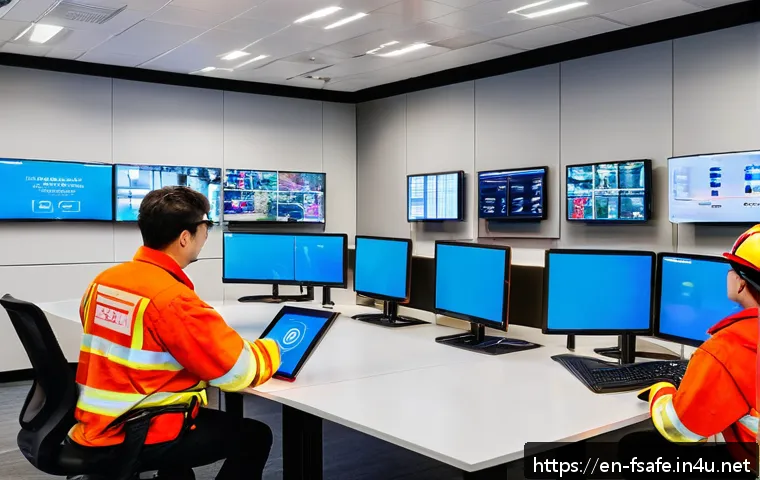
Hey everyone, it’s your favorite English blog influencer here, ready to dive into a topic that’s more critical than ever in our rapidly evolving world: the intricate and absolutely essential role of a Fire Safety Manager.
You know, we often take for granted the safety systems around us until, well, something goes wrong. But behind every safe building, every efficient evacuation plan, and every regularly checked sprinkler system, there’s a dedicated professional making sure we’re protected.
It’s not just about putting out fires; it’s about preventing them, understanding complex building dynamics, and staying ahead of the curve with cutting-edge technology.
I’ve always been fascinated by how these unseen heroes blend engineering, regulations, and pure grit to keep us secure. From my own observations, the job has transformed dramatically, especially with the rise of AI and IoT, turning reactive firefighting into proactive risk management.
We’re talking about smart sensors that predict hazards, integrated systems that respond in real-time, and predictive analytics that are literally changing how we approach safety.
It’s a field brimming with innovation and crucial responsibility, demanding a unique blend of technical expertise and leadership. If you’ve ever wondered what it truly takes to be at the forefront of keeping our communities safe, or perhaps considered a career that genuinely impacts lives, then you’re in the right place.
Trust me, the world needs more sharp minds in this domain, now more than ever. Ready to uncover the fascinating world of the Fire Safety Manager and what their job truly entails?
Let’s get into the details!Hey everyone, it’s your favorite English blog influencer here, ready to dive into a topic that’s more critical than ever in our rapidly evolving world: the intricate and absolutely essential role of a Fire Safety Manager.
You know, we often take for granted the safety systems around us until, well, something goes wrong. But behind every safe building, every efficient evacuation plan, and every regularly checked sprinkler system, there’s a dedicated professional making sure we’re protected.
It’s not just about putting out fires; it’s about preventing them, understanding complex building dynamics, and staying ahead of the curve with cutting-edge technology.
I’ve always been fascinated by how these unseen heroes blend engineering, regulations, and pure grit to keep us secure. From my own observations, the job has transformed dramatically, especially with the rise of AI and IoT, turning reactive firefighting into proactive risk management.
We’re talking about smart sensors that predict hazards, integrated systems that respond in real-time, and predictive analytics that are literally changing how we approach safety.
It’s a field brimming with innovation and crucial responsibility, demanding a unique blend of technical expertise and leadership. If you’ve ever wondered what it truly takes to be at the forefront of keeping our communities safe, or perhaps considered a career that genuinely impacts lives, then you’re in the right place.
Trust me, the world needs more sharp minds in this domain, now more than ever. Ready to uncover the fascinating world of the Fire Safety Manager and what their job truly entails?
Let’s get into the details!
The Unseen Architects of Our Everyday Safety

You know, it’s funny how we often glide through our days, utterly oblivious to the intricate web of safety measures that surround us. We walk into towering office buildings, cozy restaurants, and bustling shopping malls, rarely giving a second thought to what keeps us safe from the most devastating of disasters: fire. But behind every smoothly functioning sprinkler system, every clearly marked exit sign, and every expertly drilled evacuation, there’s a genuine hero at work – the Fire Safety Manager. They aren’t just ticking boxes; they are the unseen architects constantly analyzing, strategizing, and implementing the protocols that literally safeguard our lives and properties. From what I’ve observed, their job is a fascinating blend of scientific rigor and sheer human intuition, always on high alert for potential hazards before they even think about becoming a real threat. It’s a role that demands constant vigilance and an unwavering commitment to detail, because when it comes to fire safety, there’s simply no room for error. They live and breathe prevention, turning potential chaos into calm readiness.
Beyond Compliance: A Proactive Approach
For a long time, fire safety was often seen as a reactive field – you had a fire, you put it out, then you fixed what was broken. But the modern Fire Safety Manager, from my perspective, is all about being proactive. They’re not just ensuring compliance with fire safety regulations; they’re pushing the boundaries, always looking for ways to get ahead of the curve. This means diving deep into comprehensive fire risk assessments, identifying potential fire hazards, evaluating the likelihood of an incident, and assessing the potential impact on occupants and property. It’s like being a detective, constantly searching for clues to prevent a crime before it happens. I’ve heard stories from FSMs who can spot a fire hazard in a crowded room that most of us wouldn’t even register, a testament to their trained eyes and years of experience. They develop robust safety protocols, meticulously reviewing and updating measures to adapt to new building uses, technologies, and even human behaviors. This proactive mindset is truly what elevates their role from a mere oversight position to an indispensable strategic one.
The Silent Sentinels: Equipment Management
Think about all the equipment in a modern building designed to fight fire: alarms, smoke detectors, sprinkler systems, extinguishers, emergency lighting. The sheer volume is staggering! And it’s the Fire Safety Manager’s responsibility to ensure every single piece of that equipment is not just present, but also impeccably maintained and fully operational. I once spoke with an FSM who described their daily rounds as walking through a living, breathing organism, constantly checking its pulse. They’re arranging routine checks, prompt repairs, and timely replacements. They also handle the installation and maintenance of complex systems like halon or hood extinguishing systems, ensuring every component is ready to go at a moment’s notice. It’s a huge logistical undertaking, requiring keen organizational skills and a deep technical understanding of various fire suppression technologies. When I think about it, their meticulous attention to these ‘silent sentinels’ is what allows us all to feel safe, even if we never consciously acknowledge their continuous efforts.
Navigating the Labyrinth of Regulations and Compliance
Let’s be real, the world of fire safety regulations can feel like a dense jungle, full of intricate pathways and hidden traps. For most of us, just reading a few pages of building codes would send us running for the hills! But for a Fire Safety Manager, this labyrinth is their daily terrain. They don’t just understand these regulations; they interpret them, apply them, and ensure every single aspect of a building adheres to a myriad of local, national, and even international standards. I’ve seen firsthand the headaches that come with keeping up with ever-changing fire safety laws. From the National Fire Protection Association (NFPA) codes like NFPA 101 Life Safety Code, NFPA 10 for extinguishers, NFPA 25 for sprinklers, and NFPA 72 for alarm systems, to the International Building Code (IBC) and specific local fire codes, it’s a constant learning curve. They’re the ones ensuring that new construction plans comply with safety codes, and that existing facilities are regularly audited to catch any potential violations before they become serious issues. It’s a demanding part of the job, but absolutely essential for preventing costly penalties and, more importantly, saving lives.
Decoding the Codes: Staying Current
Imagine a rulebook that constantly rewrites itself. That’s what it can feel like trying to stay current with fire safety regulations. Fire safety managers must constantly adapt their safety plans to meet new risks and challenges, especially in areas with strict regulations. For instance, recent changes to the International Fire Code (IFC) have included provisions for additive manufacturing (3D printing) equipment, specific requirements for energy storage systems, and updated sprinkler requirements for various occupancies. It’s not just about knowing what’s written; it’s about understanding the spirit of the law and anticipating how future changes might impact their facilities. I remember one FSM telling me about the intense pressure during a regulatory audit, where every single detail had to be perfectly documented and justified. Their expertise in this area isn’t just academic; it’s a practical, real-world skill that directly impacts a building’s legal standing and its inhabitants’ safety. Without their sharp attention, things could quickly spiral into non-compliance, leading to significant fines or even operational shutdowns.
The Compliance Tightrope: Balancing Safety and Budget
Here’s a challenge I’ve heard many FSMs grapple with: how do you implement comprehensive fire safety measures when budgets are tight? Fire safety systems aren’t revenue generators, so securing funds for upgrades and ongoing maintenance can be a real uphill battle. This balancing act requires not just a deep understanding of safety needs, but also shrewd negotiation skills and a clear ability to prioritize. They need to make a compelling case for investment, demonstrating the long-term cost savings of prevention versus the catastrophic expenses of a major fire. I’ve seen some incredibly creative solutions, from phased upgrades to leveraging smart technology for more efficient monitoring, all designed to ensure maximum safety without breaking the bank. It’s a testament to their dedication that they manage to walk this tightrope so effectively, ensuring that essential security measures are in place while still being fiscally responsible.
Beyond the Blueprint: Tech Innovations in Fire Safety
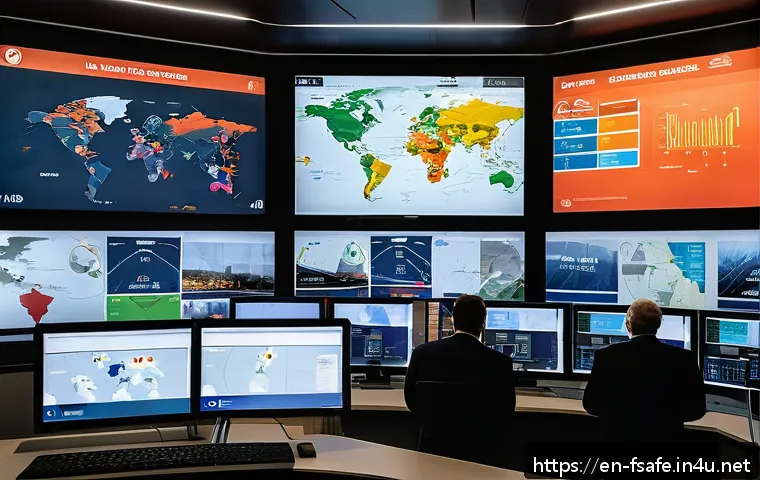
If you think fire safety is all about smoke alarms and sprinkler heads, think again! The field is absolutely buzzing with cutting-edge technology, and Fire Safety Managers are at the forefront of this revolution. I’ve seen the way AI, IoT, and predictive analytics are completely transforming how we approach fire prevention and response. It’s no longer just about reacting; it’s about intelligent systems that can foresee risks, communicate in real-time, and even automate responses. This shift from reactive firefighting to proactive risk management is incredibly exciting, and it’s reshaping the very definition of building safety. We’re talking about smart sensors that can predict hazards before they escalate, integrated systems that coordinate everything from ventilation to access control, and drones that offer firefighters a crucial bird’s-eye view. It’s truly a thrilling time to be involved in fire safety, witnessing these advancements that are making our environments safer and more resilient than ever before.
Smart Sensors and AI: The Early Warning System
Gone are the days when a fire alarm simply went off when smoke was detected. Today’s smart fire detectors are a whole new breed. They’re combining smoke, heat, and carbon monoxide sensors, providing far more accurate detection and drastically reducing false alarms. What truly blows my mind is the integration of AI. These systems gather data from various sensors and use machine learning algorithms to identify potential fire hazards even before they escalate. They can spot unusual temperature changes, gas emissions, and subtle patterns that human eyes might miss, essentially predicting a fire before it starts. I recently learned about a system that can even analyze images from CCTV footage to detect blocked fire exits or unsafe storage practices. This predictive capability is a game-changer, giving FSMs and emergency services precious extra minutes to react, which, as we all know, can mean the difference between a small incident and a full-blown disaster. These systems can also be accessed remotely, giving facility managers real-time alerts and diagnostics via mobile apps.
The Interconnected World: IoT and Integrated Systems
The Internet of Things (IoT) is revolutionizing how all those smart sensors and devices communicate. Imagine every smoke detector, sprinkler, and alarm in a building “talking” to each other, forming a single, intelligent network. That’s what IoT brings to fire safety. This connectedness allows for coordinated responses in real-time. For instance, if a potential fire is detected, IoT devices can automatically activate sprinklers in the affected zone, send alerts to building occupants and emergency services, trigger building-wide alarms, and even unlock doors and turn off power to make evacuations safer. From my experience, seeing these systems in action is truly impressive. They can even offer real-time data on fire conditions, helping firefighters plan their response more effectively. This seamless integration also extends to building management systems, allowing fire alarms to communicate with HVAC, lighting, and security systems for a truly coordinated emergency response.
Crisis Command: When Every Second Counts
While prevention is always the goal, the reality is that emergencies can and do happen. And when they do, the Fire Safety Manager steps into a role that’s nothing short of a crisis commander. This isn’t just about yelling “fire!” and hoping for the best; it’s about executing a meticulously planned emergency response plan that they themselves have often spent countless hours developing. The pressure in those moments must be immense, yet their training and expertise kick in, guiding occupants, coordinating with first responders, and minimizing damage. I’ve always been in awe of how calmly they can operate under such extreme stress, making decisions that directly impact the safety of everyone in the building. It’s a powerful reminder that while technology helps, the human element of leadership and calm under pressure is irreplaceable.
Crafting the Emergency Blueprint
A significant part of an FSM’s job is creating and implementing a crystal-clear Emergency Response Plan (ERP). This isn’t just a generic document; it’s a tailored blueprint that outlines evacuation routes, emergency contacts, instructions for using firefighting equipment, and detailed procedures for various scenarios. They’re the ones ensuring everyone is prepared to respond quickly and safely, reducing panic when every second counts. I once observed a fire drill in a high-rise office building – the sheer complexity of coordinating hundreds of people, ensuring accessible routes for those with mobility challenges, and simulating various emergency blockages was mind-boggling. The FSM leading it was like a conductor, calmly guiding the entire process. This plan also includes coordinating with local fire authorities, ensuring a seamless flow of information and a unified response when the worst happens.
Real-time Response and Coordination
When an alarm sounds, it’s go-time. The FSM is responsible for coordinating the emergency response, which includes overseeing evacuations, alerting authorities, and ensuring the safety of all occupants. They use their deep understanding of the building’s systems and layout, coupled with real-time data from smart sensors, to make critical decisions. I’ve learned that IoT-enabled systems can even automate safety actions, like unlocking doors and turning off power, which makes evacuations safer and prevents accidents. In larger, more complex facilities, AI can even optimize evacuation routes dynamically, considering the fire’s location and occupant movements to guide people to the safest and fastest exits. It’s like having a highly intelligent traffic controller for emergencies, ensuring that people move away from danger efficiently. The FSM’s ability to pull all these threads together – human action, technological response, and external emergency services – is truly what makes them indispensable during a crisis.
Building a Culture of Vigilance: Training and Education
You can have the most advanced fire suppression systems and the most detailed emergency plans, but without people who know how to react, they’re just fancy pieces of equipment and paper. This is where the Fire Safety Manager truly shines as an educator and a leader. Their role extends far beyond just inspections and compliance; it’s about instilling a pervasive culture of vigilance and preparedness throughout an organization. They understand that every individual, from the CEO to the newest intern, plays a crucial part in fire safety. From my observations, it’s not just about compliance; it’s about genuinely empowering people with the knowledge and confidence to act decisively when it matters most. This dedication to education is what transforms a building from merely being “safe” on paper to being genuinely resilient in the face of an emergency.
Empowering Everyone: Comprehensive Training Programs

One of the FSM’s primary responsibilities is to provide comprehensive fire safety training to everyone in the building. This isn’t a one-and-done lecture. It involves regular training sessions on fire prevention, how to identify hazards, proper use of fire extinguishers, activating alarms, understanding evacuation routes, and knowing designated assembly points. I’ve seen some really engaging training programs that go beyond the basics, covering topics like basic fire first aid and how to assist others during an evacuation. They teach employees not only how to react in an emergency but also how to proactively prevent fires in the first place, like keeping workspaces clear of clutter and reporting faulty wiring. This kind of thorough training doesn’t just ensure legal compliance; it significantly reduces emergency response times, minimizes panic, and, most importantly, saves lives.
Practice Makes Perfect: Fire Drills and Simulations
It’s one thing to know the theory, but it’s another to put it into practice under pressure. That’s why regular fire drills are an absolute cornerstone of the Fire Safety Manager’s work. They organize and conduct these drills to ensure that everyone is familiar with evacuation processes and knows exactly how to respond during an emergency. I’ve seen FSMs use simulations to test different scenarios, identifying potential bottlenecks or areas where communication might break down. These drills are invaluable because they help refine the emergency response plan, making sure it’s robust and adaptable to real-world chaos. Beyond just the physical drill, they also conduct debriefs, gathering feedback and using it to continuously improve the building’s overall preparedness. This iterative process of training, drilling, and refining is crucial for maintaining a high level of safety awareness and ensuring that when an actual emergency strikes, the response is swift, coordinated, and effective.
The Human Element: Leadership and Communication
It’s easy to get caught up in the technical aspects of fire safety – the alarms, the sprinklers, the regulations. But what truly makes a Fire Safety Manager exceptional, in my humble opinion, is their ability to lead and communicate effectively. They’re not just managing systems; they’re managing people, often a diverse group with varying levels of understanding and urgency when it comes to safety. This role demands more than just technical expertise; it requires strong leadership skills to inspire confidence, clear communication to disseminate critical information, and the ability to liaise seamlessly with multiple stakeholders. From what I’ve witnessed, a great FSM builds trust, fosters collaboration, and becomes the go-to person for all things safety, creating an environment where everyone feels heard and protected. It’s truly a blend of engineering know-how and empathetic human connection.
Leading the Safety Charge
A Fire Safety Manager is, by nature, a leader. They often supervise fire safety inspectors or other personnel, setting clear expectations, providing training, and assessing performance. Their leadership is crucial in fostering a proactive safety culture within an organization. I’ve seen FSMs who can articulate the importance of safety so clearly and passionately that it resonates with everyone, from front-line staff to senior management. They lead by example, demonstrating unwavering commitment to safety protocols and procedures. In times of crisis, their calm and decisive leadership can be the anchor that prevents panic and guides people to safety. This isn’t a role for someone who shies away from responsibility; it’s for someone who embraces it, understanding the profound impact their leadership has on the well-being of countless individuals. Strong analytical skills to assess risks, coupled with leadership abilities to manage teams, are paramount to their success.
Bridging the Gaps: Communication and Collaboration
Effective communication is paramount for a Fire Safety Manager. They act as the crucial liaison between building occupants, management, and external fire authorities. This involves clearly communicating complex safety procedures, providing updates on regulatory changes, and coordinating with emergency services during an incident. I’ve seen FSMs skillfully navigate conversations with architects, engineers, and local fire departments, ensuring that all aspects of fire protection are integrated seamlessly into building design and operation. They maintain detailed records of fire risk assessments, protocols, inspections, and incident reports, providing regular updates that keep everyone informed. This open channel of communication is vital for ensuring that everyone is on the same page, understands their roles, and can respond effectively in an emergency. It truly speaks volumes about their multifaceted skill set, blending technical knowledge with excellent interpersonal capabilities.
Future-Proofing Our Protection: Emerging Threats and Solutions
Just when we think we’ve got fire safety all figured out, the world throws a new curveball. From climate-induced hazards to the rapid evolution of building materials and energy storage systems, new threats are constantly emerging. This is why a Fire Safety Manager’s job is never truly “done.” They are perpetually looking forward, anticipating future risks, and seeking out innovative solutions to ensure our protection remains robust. It’s an incredibly dynamic field, driven by continuous advancements in science and engineering. I find it fascinating how they embrace new technologies, challenge conventional thinking, and expand their skill sets to stay ahead. The future of fire safety isn’t just about incremental improvements; it’s about revolutionary changes that promise even greater efficiency, precision, and environmental responsibility. It’s a journey of constant learning and adaptation, ensuring that our safe spaces remain just that, even as the world around us changes.
Adapting to a Changing World
The fire safety landscape is constantly undergoing transformative changes. Climate change, for example, brings new challenges like increased wildfire risks or more extreme weather events that can impact building infrastructure. The rise of new building technologies, energy storage systems, and even manufacturing processes like 3D printing all introduce unique fire hazards that need to be understood and mitigated. Fire Safety Managers are at the forefront of adapting to these shifts, integrating sustainable fire protection solutions that minimize environmental impact while maintaining high safety standards. I’ve been impressed by how they incorporate new insights into risk assessments and develop strategies for emerging threats, ensuring that our safety protocols evolve with the times. It’s truly a proactive dance with the future.
The Next Wave: AI, Drones, and Green Solutions
The future of fire safety is incredibly exciting, with a strong focus on enhancing efficiency and sustainability. We’re seeing more advanced fire detection systems, smart suppression methods, and remote monitoring capabilities becoming standard. Imagine drones equipped with thermal imaging cameras providing real-time information about hard-to-reach areas during a fire, or even igniting controlled burns to prevent wildfires. AI-powered predictive analytics will continue to improve precision, allowing for even earlier actions and lowering fire hazards. There’s also a growing emphasis on “green” fire protection solutions, replacing traditional methods with eco-friendly alternatives that minimize water waste and chemical emissions. These advancements promise a future where fire safety is not only more effective but also more environmentally responsible, a testament to the continuous innovation driven by dedicated professionals like Fire Safety Managers. From personal experience, seeing these cutting-edge tools at work is truly inspiring, promising a safer tomorrow for us all.
| Aspect of Fire Safety Management | Key Responsibilities & Activities | Impact & Importance |
|---|---|---|
| Risk Assessment & Prevention | Conducting comprehensive fire risk assessments, identifying potential hazards, developing and implementing fire prevention policies. | Proactively minimizes fire incidents, protects lives and property, and reduces long-term costs. |
| Compliance & Regulations | Ensuring adherence to national (e.g., NFPA, IBC) and local fire codes, keeping abreast of regulatory changes. | Avoids legal penalties, maintains operational continuity, and upholds safety standards. |
| Emergency Response Planning | Creating and updating Emergency Response Plans (ERPs), including evacuation routes and procedures. | Ensures swift and organized response during emergencies, minimizing panic and ensuring efficient evacuation. |
| Equipment Management | Regular inspection, testing, and maintenance of fire alarms, sprinklers, extinguishers, and other safety systems. | Guarantees all safety equipment is fully operational and reliable when needed most. |
| Training & Education | Conducting fire safety training for all occupants, organizing regular fire drills. | Empowers individuals to react effectively, fosters a safety-conscious culture, and reduces response times. |
| Technology Integration | Implementing and managing smart fire detection (AI/IoT), automated suppression, and integrated building systems. | Enhances early detection, provides real-time data, and enables more precise and automated responses. |
글을마치며
Whew, we’ve really taken a deep dive into the incredible world of Fire Safety Managers, haven’t we? It’s truly amazing to see just how much goes into keeping our spaces safe – far more than just a few smoke detectors, that’s for sure. From the meticulous planning and proactive prevention to the lightning-fast crisis response and continuous education, these professionals are the silent guardians who allow us to live and work with peace of mind. I hope this journey has given you a newfound appreciation for their unwavering dedication and the vital role they play in our everyday lives. They’re not just doing a job; they’re truly safeguarding our futures, and for that, I think they deserve a huge round of applause.
알아두면 쓸모 있는 정보
Here are a few nuggets of wisdom that I’ve picked up, which I think everyone should keep in mind about fire safety – because truly, every little bit helps!
1. Check Your Smoke Detectors Regularly: Honestly, this is such a simple step but so often overlooked. I always set a reminder to test mine monthly and swap out the batteries at least once a year. That little beep could be the most important sound you ever hear, giving you and your family precious time to escape. Don’t wait for an emergency to find out if they’re working!
2. Know Your Exits – And Keep Them Clear: Whether you’re at home, at work, or even in a restaurant, take a moment to identify at least two ways out. I make it a habit, especially in new places. And please, please, please – never block an exit, not even for a minute. Clutter can become a fatal barrier when seconds count.
3. Have a Family Fire Escape Plan: This is something I’m passionate about. Sit down with your household and draw a floor plan, marking exits and a designated outdoor meeting spot. Practice it! It might feel silly at first, but having a clear plan significantly reduces panic and ensures everyone knows what to do in a real emergency.
4. Understand Basic Fire Extinguisher Use (PASS): While we hope never to use one, knowing how to operate a fire extinguisher can make a huge difference in containing a small fire before it becomes a big one. Remember PASS: Pull the pin, Aim at the base of the fire, Squeeze the handle, Sweep side to side. Just remember, only tackle fires if it’s safe to do so and your escape route isn’t compromised.
5. Be Aware of Common Home Fire Hazards: From unattended cooking to overloaded electrical outlets and misplaced candles, many fires start from preventable causes. I’ve personally become super vigilant about unplugging unused appliances and keeping flammables away from heat sources. A little mindfulness goes a long way in preventing a potential disaster.
중요 사항 정리
To sum it all up, Fire Safety Managers are the unsung heroes who meticulously blend expertise, vigilance, and cutting-edge technology to create safe environments for us all. Their role goes far beyond mere compliance; it’s about a proactive, holistic approach to prevention, a calm and decisive response to crises, and a constant commitment to educating everyone. We truly owe a debt of gratitude to these dedicated professionals who tirelessly work to protect lives and property, ensuring our peace of mind in a constantly evolving world.
Frequently Asked Questions (FAQ) 📖
Q: uestions
A: bout Fire Safety Managers
Q: What does a Fire Safety Manager actually do on a day-to-day basis?
A: Oh, if you think it’s just about checking smoke detectors, think again! The daily life of a Fire Safety Manager is incredibly dynamic and packed with crucial responsibilities.
From what I’ve gathered by speaking with folks in the field, a huge chunk of their time is dedicated to proactive measures. They’re meticulously conducting risk assessments, scrutinizing building layouts for potential hazards, and developing comprehensive emergency evacuation plans – the kind you hope you’ll never need, but are infinitely grateful for when you do.
Beyond that, they’re constantly reviewing and updating compliance with local, national, and even international fire codes, which, let me tell you, is a labyrinth of regulations that requires serious dedication.
They’re also heavily involved in training staff and occupants on fire prevention and emergency procedures, making sure everyone knows the drill. And of course, there’s the ongoing maintenance and inspection of all fire suppression and alarm systems.
It’s truly a blend of engineering, education, and constant vigilance. I’ve heard stories where their quick thinking in a simulated drill saved countless headaches later, underscoring just how vital their consistent presence is.
Q: How has technology, like
A: I and IoT, impacted the role of a Fire Safety Manager? A2: This is where things get truly exciting and, frankly, a bit mind-blowing! The integration of AI and IoT has fundamentally reshaped fire safety from a reactive measure into a highly proactive and predictive science.
Gone are the days of just waiting for an alarm to go off. Now, we’re seeing smart sensors that can detect minute changes in air quality, temperature, and even unusual electrical patterns, alerting managers to potential issues before they escalate into a full-blown emergency.
I’ve personally been fascinated by discussions around predictive analytics, where AI models crunch vast amounts of data from building systems, weather patterns, and even human traffic flow to forecast risk areas.
This allows Fire Safety Managers to implement targeted prevention strategies. IoT devices enable real-time monitoring and control of fire suppression systems from a central hub, making responses incredibly efficient.
It’s a game-changer, shifting the focus from damage control to sophisticated risk mitigation. For managers, this means a deeper dive into data interpretation and system integration, truly elevating their role to that of a tech-savvy risk architect.
It’s an evolving landscape, and those who embrace these tools are truly at the forefront of safety innovation.
Q: What kind of personality or skills do you think someone needs to excel as a Fire Safety Manager?
A: If you’re pondering a career as a Fire Safety Manager, or just curious about what makes them tick, I can tell you it’s a unique blend of traits. From my observations, the absolute bedrock is an incredible attention to detail – seriously, they can spot a loose wire or a blocked exit you wouldn’t even register.
Beyond that, strong leadership and communication skills are non-negotiable. Imagine needing to calmly and effectively guide hundreds, or even thousands, of people during an emergency; that takes real presence and clarity.
They also need a fantastic ability to problem-solve under pressure. It’s not always a textbook situation, and being able to adapt quickly is key. I’ve heard managers talk about how they need to be constant learners, too, because regulations, technologies, and building designs are always evolving.
Empathy and a genuine concern for human safety are also huge – it’s not just a job, it’s about protecting lives. Honestly, it’s a role for someone who is methodical, resilient, a natural leader, and deeply committed to ensuring everyone around them is safe.
If you’ve got that mix, you might just be a natural!