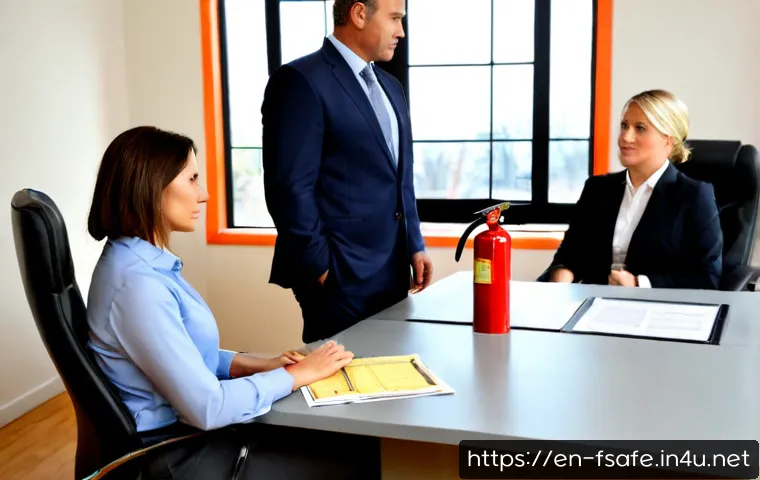
Fire safety manager interviews usually focus on your judgment, communication, compliance awareness, and documentation habits—not on memorizing impressive-sounding technical terms.
Prepare clear answers for inspections, blocked exits, evacuation drills, reporting, and follow-up, while staying honest about your authority and experience.
Entry-level candidates should emphasize safe decision-making, willingness to follow site procedures, and reliable communication. Experienced candidates should connect answers to building operations, contractor coordination, records, and corrective action.
A fire safety training course, certification program, or interview coaching service may help if it is recognized for the role and covers realistic scenarios.
Always check the employer’s requirements and local authority guidance before paying for any course or credential.
At a Glance
- New applicants: Show sound safety judgment, clear communication, and a willingness to follow established procedures.
- Experienced applicants: Explain how you inspect, document, escalate, and verify corrective action.
- Before buying training: Compare local recognition, course scope, and practical scenario coverage.
| Preparation Route | Cost Range | Time Commitment | Best Fit |
|---|---|---|---|
| Self-study | Usually the lowest-cost option | Flexible | Applicants who need to learn interview structure and review the job description carefully |
| Fire safety training or certification course | Varies by provider and local recognition | Depends on course format and assessment requirements | Candidates who need role-relevant knowledge or an employer-recognized credential |
| Interview coaching or mock interview support | Varies by service | Often focused and short-term | Candidates who know the subject but need stronger, more organized answers |
What Hiring Managers Usually Assess in a Fire Safety Interview
The Short Answer: Safety Judgment, Communication, Compliance Awareness, and Documentation Habits
Most interviewers want to know whether you can identify a concern, act within your authority, communicate clearly, and keep an accurate record. A strong answer shows an ongoing process: inspect, report, escalate where required, track action, and confirm that the issue has been addressed. Avoid presenting fire safety as a one-time checklist.
Use practical language. For example: “I would follow the site procedure, make sure the concern is reported to the appropriate person, document what I observed, and follow up until the corrective action is confirmed.” This is stronger than saying only, “I would make sure everything is safe.”
How to Match Your Answer to the Building Type and Job Description
Read the job description closely. A role in a commercial building may emphasize facilities coordination and contractor access. A position in healthcare, education, property management, or a high-occupancy site may place more weight on occupant communication, evacuation planning, accessibility, and recordkeeping.
Do not assume that every employer uses the same title or authority level. A fire warden, fire safety coordinator, life safety manager, and facilities safety officer may have different duties. Match your examples to the listed responsibilities and ask respectful clarification questions when the scope is unclear.
A Quick Preparation Checklist Before the Interview
- Review the building type, occupancy, and operational setting described in the vacancy.
- Prepare examples involving inspections, reporting, drills, maintenance coordination, or safety communication.
- Know which certifications you hold and which requirements still need verification.
- Practice explaining how you would document an issue and follow up on it.
- Prepare questions about reporting lines, emergency procedures, and local compliance expectations.
Common Questions and Strong Answer Frameworks
“How Would You Conduct a Routine Fire Safety Inspection?”
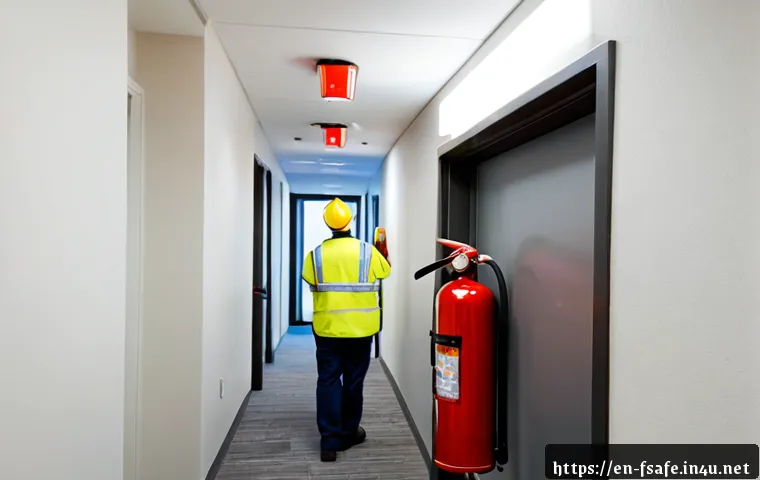
A credible answer should be systematic. Explain that you would follow the employer’s inspection process and applicable local requirements, check the areas within your responsibility, record observations, and report deficiencies through the correct channel. Mention common operational themes without claiming technical authority you do not have: exit routes, access to safety equipment, signage, housekeeping, visible hazards, and maintenance concerns.
A useful structure is: prepare, inspect, document, report, follow up. State that any urgent concern should be escalated according to site procedure rather than left for a routine report.
“What Would You Do If an Exit Route Was Blocked?”
Start with safety and escalation. Explain that you would treat a blocked exit route as a concern requiring prompt action, notify the responsible person or team, follow the site’s emergency and reporting procedure, and document the issue. If you are authorized to arrange immediate removal, say so only if that reflects the role you are discussing.
Interviewers are listening for judgment. Do not answer as if you would simply walk away after sending an email. Include verification: once corrective action is reported, confirm that the route is clear or escalate again if it is not.
“How Do You Organize an Evacuation Drill?”
Describe a coordinated process rather than a dramatic event. You could explain that you would confirm the plan with relevant stakeholders, communicate clear instructions, account for occupants who may need assistance, coordinate with designated personnel, record observations, and identify follow-up actions after the drill.
Keep the answer specific to the employer’s procedures. Avoid claiming that one drill method is suitable for every building. The right process can vary by location, building type, occupants, and local authority expectations.
“How Would You Report and Follow Up on a Safety Deficiency?”
Good answers include facts, ownership, and tracking. State that you would record what was observed, where it was found, when it was identified, and who was notified. Then explain how you would route it to the appropriate facilities, management, contractor, or compliance contact and monitor the response.
Use clear wording: “I would avoid vague notes. I would document the condition, the action requested, the person responsible for review, and the follow-up status.” This demonstrates strong workplace compliance habits without overstating legal expertise.
Using Situation–Action–Result Without Inventing Experience
If you have direct experience, use a simple Situation–Action–Result structure. Describe the setting, explain the steps you took, and state the outcome without exaggeration. If you have limited experience, be transparent: explain what you learned in a related role, what procedure you would follow, and when you would seek support from a supervisor or qualified professional.
Honesty is especially important in safety roles. A measured answer that respects reporting lines is more credible than claiming you would independently make decisions outside your training or authority.
Preparation Options: Self-Study, Safety Training, or Interview Coaching
When a Recognized Fire Safety Course Can Strengthen an Application
A fire safety management course may be useful when the target role expects knowledge you have not yet developed, when employers commonly request a particular credential, or when you need structured practice with inspection routines and emergency scenarios. It can also help applicants moving from general facilities work into a more safety-focused position.
However, a course should not be treated as a universal substitute for local requirements. Check whether the provider’s training is relevant to the job location, building type, and employer expectations.
Questions to Ask Before Paying for a Course or Coaching Service
- Is the training recognized locally or relevant to the employers I am applying to?
- Does the course cover inspections, records, evacuation planning, and scenario-based decision-making?
- Does it clearly explain prerequisites, assessments, and any renewal expectations?
- Will interview coaching include realistic practice rather than generic confidence advice?
- Can the provider explain the difference between training completion and a required license or certification?
Avoiding Credentials That Do Not Meet Local or Employer Requirements
Training prices, examination fees, licensing rules, and required credentials vary by country, state, municipality, employer, and building type. Before enrolling, review the job posting, contact the provider with specific questions, and verify requirements through the relevant local authority or employer. Do not list a course as a qualification until you have completed it and understand how it is described.
Scenario Questions That Test Judgment Under Pressure
Responding to an Alarm, Smoke Report, or Evacuation Delay
For scenario questions, show a calm sequence: follow the site emergency procedure, communicate through approved channels, support evacuation or response duties within your assigned role, report relevant observations, and avoid making unsupported assumptions. If the situation exceeds your authority or training, say that you would escalate immediately.
Interviewers do not need a dramatic story. They need to hear that you can remain organized, protect occupants, and communicate accurate information under pressure.
Managing Contractors, Maintenance Teams, and Building Occupants

Fire safety work often requires coordination. Explain that contractors and maintenance teams need clear access requirements, reporting expectations, and confirmation of completed work. Building occupants need simple instructions they can understand quickly. Your role is often to connect these groups while keeping records and following the employer’s process.
Escalating Concerns When a Manager Wants to Delay Corrective Action
A strong answer is respectful but firm. Explain that you would present the documented concern, explain the operational risk in clear terms, follow the organization’s escalation route, and keep an accurate record of communication. Do not frame the answer as confrontation. Frame it as protecting occupants and following established safety responsibilities.
Explaining Safety Procedures Clearly During a Stressful Event
Use short, direct instructions. Avoid technical language that occupants may not understand. In an interview, mention that you would communicate according to the emergency plan, repeat key instructions when necessary, and account for people who may need additional assistance. Clear communication is a practical safety skill, not merely a presentation skill.
Mistakes That Can Weaken Your Interview Performance
Claiming Authority or Certifications You Do Not Hold
Never imply that you are licensed, certified, or authorized to make technical decisions if you are not. Instead, explain how you would work with the designated manager, qualified contractor, or relevant authority. This protects your credibility.
Giving Generic Answers With No Inspection, Reporting, or Follow-Up Process
Statements such as “I would ensure compliance” are incomplete. Add the process: what you would inspect, who you would notify, how you would document it, and how you would check that the issue was resolved.
Treating Fire Safety as a One-Time Checklist Rather Than an Ongoing System
Routine inspection, staff communication, maintenance coordination, drill review, and records are connected. Show that you understand fire safety management as a continuing responsibility rather than a task completed once a year.
Ignoring Accessibility, Occupant Communication, and Documentation
Technical awareness matters, but interviewers may also assess how you support people, communicate during disruption, and maintain dependable records. Mention these elements when they fit the role and building environment.
Choosing the Right Preparation Path: Final Comparison
Best Route for New Applicants
Start with focused self-study: review the job description, learn the employer’s terminology, and practice structured answers. Consider a relevant fire safety training course if the role asks for a recognized credential or if you need a practical foundation in compliance and emergency procedures.
Best Route for Facilities or Property Management Professionals
Connect your existing experience to inspection routines, contractor coordination, tenant or occupant communication, maintenance records, and escalation. Interview coaching can be useful if your experience is strong but your answers need clearer structure.
Best Route for Candidates Moving Into Regulated or High-Occupancy Sites
Give extra attention to local requirements, site-specific procedures, occupant needs, and documentation standards. A course may be worthwhile if it is relevant to the target setting and accepted by the employer or local authority.
Final Checklist for Selecting Training, Certification, or Coaching Support
- Compare course scope, local recognition, and practical scenario coverage.
- Confirm whether the employer requires a particular certification, license, or training standard.
- Choose coaching only if it includes feedback on realistic safety questions.
- Review provider details for assessment, completion terms, and any ongoing requirements.
Selection Criteria and Comparison Summary
Choose self-study when you mainly need interview structure and role-specific research. Consider fire safety training when you need foundational knowledge, a locally relevant credential, or practice with inspections and emergency scenarios. Consider interview coaching when you already understand the work but need concise, credible answers. Before purchasing support, check local recognition, role relevance, scenario practice, provider terms, and employer requirements. Compare course scope, local recognition, and practical scenario coverage on the provider’s official information page.
In Closing
The best fire safety manager interview answers are organized, honest, and practical. Focus on how you identify concerns, communicate clearly, document facts, escalate appropriately, and follow up. You do not need to claim experience you do not have. You do need to show that you understand the seriousness of safety responsibilities and the importance of working within established procedures.
Useful Information to Keep in Mind
Job titles vary: the same type of work may appear under fire warden, fire safety coordinator, life safety manager, or facilities safety officer. Building context matters: tailor your examples to the site and occupants. Records matter: a well-documented concern and confirmed follow-up are stronger than a vague promise to “handle it.”
Important Notes
Exact duties, certifications, licensing requirements, and legal responsibilities differ by location, employer, and building type. This is general interview guidance, not legal or regulatory advice. Verify required credentials, training acceptance, and site-specific procedures directly with the employer, training provider, or relevant local authority.
Frequently Asked Questions
Q1. What questions are most common in a fire safety manager interview?
A1. Common themes include routine inspections, blocked exits, evacuation drills, reporting deficiencies, contractor coordination, emergency communication, and follow-up documentation. The exact questions depend on the employer, building type, and local requirements.
Q2. Is a fire safety certification worth paying for before applying?
A2. It may be worthwhile if the target employer requires it, recognizes it, or if the course fills a real knowledge gap. Check local recognition, the course scope, assessment requirements, and whether the credential matches the specific job before paying.
Q3. How can I answer scenario questions if I have limited direct fire safety experience?
A3. Be honest about your experience, then explain the process you would follow: use the site procedure, communicate through the correct channel, document facts, escalate urgent concerns, and seek support when the issue is outside your authority or training.